
Review · CANADA
Canyoning half day – Heart Creek Canyon (beginner level)
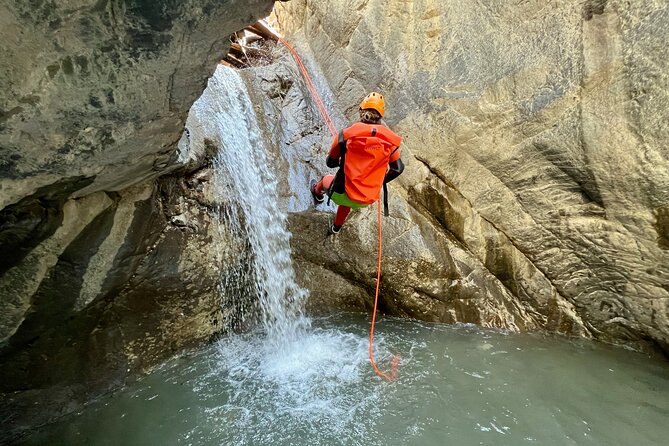
Heart Creek Canyon turns a short mountain outing into a proper adventure: you hike uphill for about an hour, put on a wetsuit, then work your way down through five rappels, slides, scrambling, and cold water. The first drops are short, so you can learn the ropes before the final wet rappel beside a waterfall.
I like the gradual start and the strong safety coaching. Guides such as Brendan, Lawrence, Jitka, Pablo, and Kanishk are repeatedly praised for patient instruction, which matters when your legs are shaking at the edge of a drop. I also like that the last rappel is optional, with a hiking route around it.
The catch is simple: this is not just a gentle walk in the woods. The uphill hike can be steep near the top, and your hiking shoes will get soaked. If you are unfit, uneasy with heights, or hoping for a dry half-day, choose another Banff activity.
Key points before you book
- Five rappels build confidence slowly: The upper canyon starts with shorter drops before the longer final descent.
- The hike is part of the challenge: Plan on roughly an hour uphill, with two short but steep sections near the top.
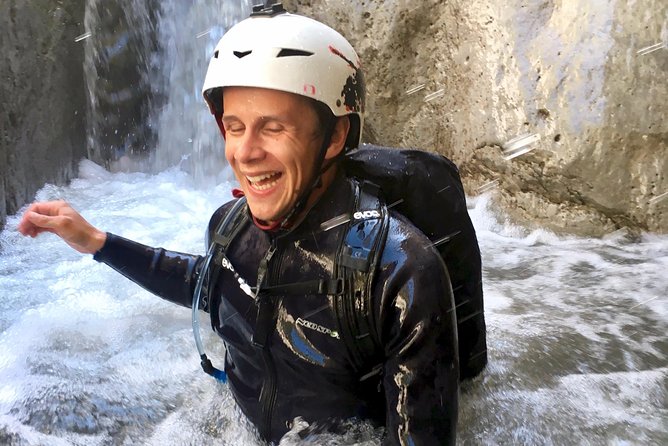
- You will get wet: The lower canyon includes cold water, slides, and a final wet rappel. A wetsuit and neoprene socks are supplied.
- The biggest drop is optional: You can hike around the final rappel if you decide it is not for you.
- Meet near Canmore, not in central Banff: Heart Creek is about 10 minutes from Canmore and 25 minutes from Banff by car.
- Bring serious footwear: Trail runners or light hiking shoes with good tread are required. Tennis shoes, sandals, Crocs, and water shoes are not accepted.
What Heart Creek Canyoning Is Really Like
Canyoning here is a mountain route with ropes, water, rock, and a good amount of walking. It is not a polished attraction with platforms and handrails. You move through a natural creek canyon, sometimes under falling water, sometimes over dry rock, and sometimes by lowering yourself down a rope.
The half-day trip costs $146.45 per person and takes about four to five hours. That price includes a professional guide, wetsuit, neoprene socks, helmet, harness, rappelling equipment, dry bags, and the rope safety clinic. I consider that fair value for a technical outdoor activity, since the cost also covers the guide who manages the ropes and keeps the group moving safely.
The experience is aimed at beginners, but beginner does not mean effortless. You need moderate physical fitness, comfort with heights, and enough balance to scramble over uneven rock. No previous rappelling experience is required, and the early drops are designed to teach you as you go.
The activity is limited to people age 12 and older. Children must be accompanied by an adult. A liability waiver is required before you take part.
More Canyoning Tours in Canada
- Adrenaline Canyoning Kelowna
★ 5.0 · 98 reviews - Banff: Beginner Canyoning Half-Day Tour
★ 4.7 · 75 reviews - Adrenaline Canyoning Tour
★ 5.0 · 39 reviews
Getting to Heart Creek From Banff and Canmore
The meeting point is the Heart Creek Trail parking lot, just off the highway east of Canmore. From Canmore, the drive is about 10 minutes. From Banff, allow roughly 25 minutes. Look for the Heart Creek Trail exit on the right when driving east.
There is ample parking, including room for large RVs and motorhomes. You also need an Alberta Parks conservation pass for the vehicle. This is easy to overlook, so buy the pass online before arriving rather than sorting it out at the trailhead.
Pickup is offered, but it becomes limited during July and August. If you have a car, I would meet the guide directly at Heart Creek. People without a vehicle can usually arrange pickup from Canmore, with possible meeting points including Blondies Cafe, the Canmore visitor information centre, or the Legacy Trail bus stop for the Banff and Canmore Roam route.
There are basic pit toilets at the trailhead, but no food, drinks, or other services. Arrive ready to go. It is smart to wear your bathing suit under your clothes and leave a towel, dry underwear, fresh clothes, and dry shoes in the car.
The One-Hour Hike to the Canyon
After meeting the guide and the rest of your group, you start on the Heart Creek trail. The uphill walk takes about 30 to 60 minutes, depending on the pace and the number of breaks. The activity description gives a 30 to 45 minute estimate, while the practical instructions allow about an hour, so I would plan for the longer figure.
Most of the trail is straightforward and family-friendly, with only a modest incline. Near the top, however, you face two short steep sections. Guides take their time here, and the pace is not meant to be a race.
This approach is one of the better parts of the outing. You get time to warm up, meet the guide, and settle into the mountain setting before dealing with ropes. It also gives you a fair test of your energy. If the uphill hike already feels like too much, the canyon section will not become easier.
Carry only what you need. The guide supplies dry bags for personal items, but you still want a small, manageable load. Bring water and consider a light snack, since there are no services at the trailhead and the climb can take longer than expected.
Your hiking shoes stay on for the canyon. This is important. They will get wet, and in some sections they may be fully submerged for several minutes. Trail-running shoes or light hiking shoes with a strong tread are the best fit. Do not show up in sandals, Crocs, urban sneakers, tennis shoes, or water shoes.
Suiting Up and Learning the Ropes
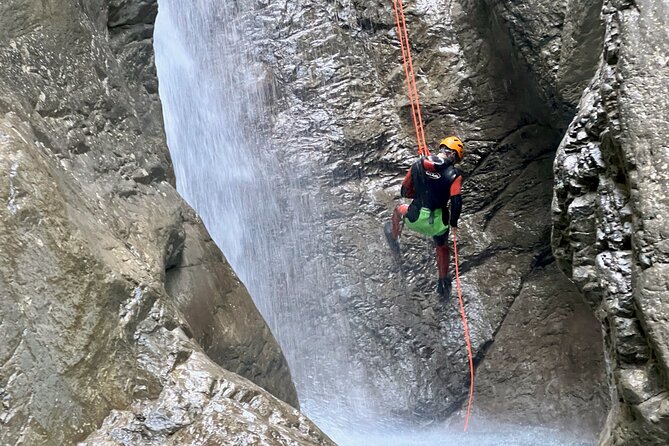
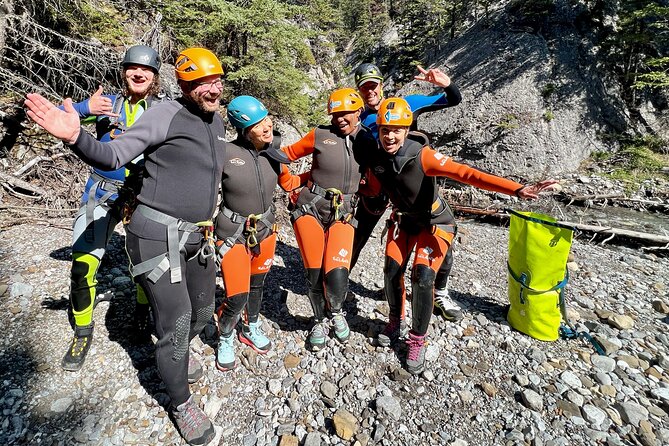
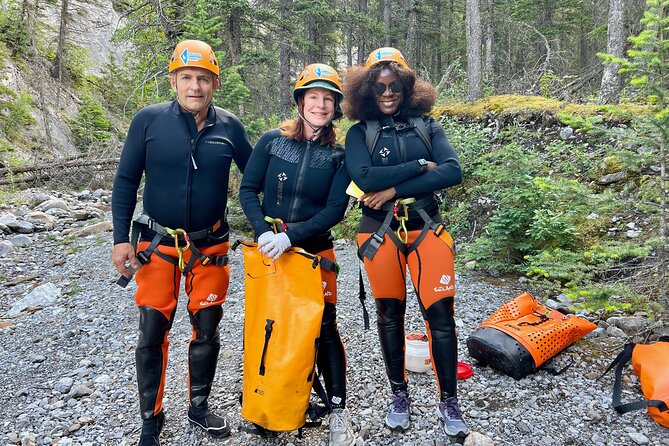
At the top, everyone changes into a canyoning wetsuit, helmet, harness, and neoprene socks. The company provides high-quality wetsuits and technical gear, so you do not need to own climbing equipment.
The wetsuit is not just for comfort. The water is cold, and the canyon can feel chilly even in summer. In May and September, a rain jacket or windbreaker and merino or fleece layers for the hike are sensible. In July and August, a shirt and shorts or hiking pants may be enough for the approach.
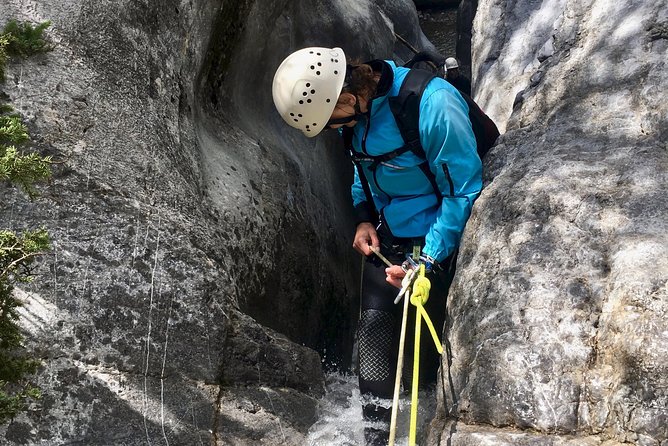
Before entering the canyon, the guide gives a mandatory rappel and rope safety clinic. You learn how to use the harness, position your feet, control your descent, and follow instructions at the rope stations. The guide also manages the rope system, so your job is to listen carefully and move as directed.
This coaching is where the trip earns its beginner rating. The first rappels are short and let you practice without being thrown straight at the largest drop. Guides including Jitka and Pablo have been praised for repeating instructions calmly, while Brendan and Lawrence are noted for balancing relaxed conversation with serious attention to safety.
You still need to be comfortable with heights. A guide can control the rope and talk you through a difficult moment, but no instruction removes the sensation of looking down from a rock wall.
Same nerve, a different drop:
- Niagara Falls, ON: Jet Boat Tour on Niagara River
★ 4.8 · 1,128 reviews - Niagara Falls Canada Open-Top (Wet) Jet Boat Tour
★ 5.0 · 1,000 reviews - Montreal: Jet Boating on the Lachine Rapids
★ 4.9 · 360 reviews - Canmore Caving Adventure Tour
★ 5.0 · 356 reviews
The Upper Canyon: Short Drops and Dry Rock
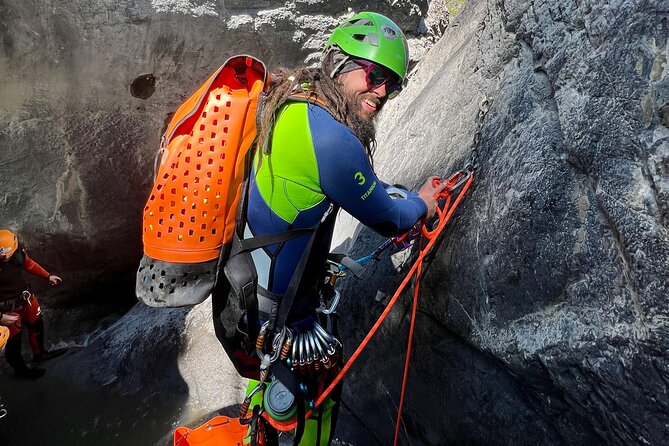
The upper canyon is the gentler section. Depending on the time of year, it may be mostly dry, especially later in summer. That makes it a useful training ground before the wetter lower section.
Here you begin with shorter rappels mixed with scrambling and walking. The movement is varied, which keeps the experience from feeling like a series of identical rope descents. You might lower yourself down a rock face, pick your way over uneven stone, and then wait while the guide sets up the next station.
This is also where you learn how much of canyoning is technique rather than brute strength. Keep your body angled back, trust the harness, and place your feet deliberately. The guide handles the technical setup, but you still need to manage your balance and follow each instruction.
The upper section rewards patience. If you are nervous at the first rappel, that is normal. The point is to gain control before the canyon gets wetter and the drops get longer.
The Lower Canyon: Water, Slides, and the Big Finish
The lower canyon is where the half-day trip becomes memorable. This section is always wet at the final rappel, and it includes water, slides, scrambling, and a longer descent near a waterfall.
The water is cold, but the wetsuit and neoprene socks make it manageable. You should still expect to feel chilled at times, especially if the day is cloudy or rainy. The company operates in rain or sunshine, and this canyon is not prone to flooding, though the tour can be cancelled or postponed in rare conditions for safety.
The rock slides add a playful element. They are not an amusement park ride, and you need to follow the guide’s directions about where and how to move. Conditions can change with rain and water flow, which is one reason the guide’s judgment matters.
The final rappel is the main event. Depending on the exact conditions and guide instructions, it is described as a long drop of around 18 to 20 metres, or roughly 60 feet. You descend beside a waterfall and into the lower canyon, with wet rock and falling water adding plenty of drama.
If that sounds like too much, you can hike around it. The bypass is not a failure or an awkward exit. It is built into the route, and you can still complete the canyon experience without taking the final drop.
Guides Make the Difference
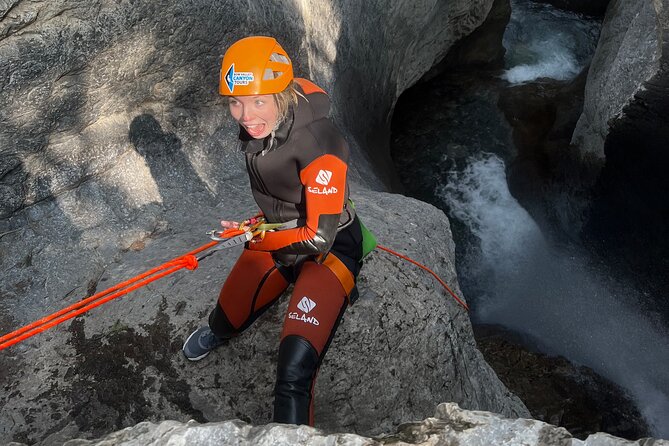
The guide is more important here than on a standard sightseeing excursion. You are relying on that person for rope setup, pacing, group decisions, and clear communication in a noisy canyon.
The strongest reports single out guides by name. Brendan is praised for encouragement on the hike and for helping first-time rappellers feel ready. Lawrence is described as friendly during the walking sections and focused when safety matters. Jitka is noted for calm, repeated instructions, while Pablo receives credit for keeping people composed before the longer rappel.
Kanishk is praised for local knowledge and for making a cold day enjoyable. Other guides, including Oliver, Mark, Kris, Zach, and Oli, are also described as patient, entertaining, and careful with beginners.
The practical lesson is that you do not need to arrive fearless. You do need to listen, tell the guide if you are struggling, and accept a slower pace when your legs or nerves require it. The guides appear to be comfortable encouraging people without pretending the canyon is risk-free.
What to Pack and Wear
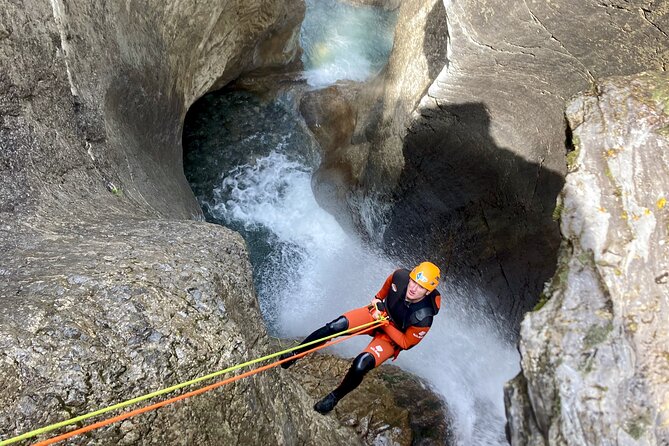
Pack for two very different parts of the day: a mountain hike and a wet canyon.
Bring:
- Swimsuit to wear before arrival
- Towel
- Trail-running shoes or light hiking shoes with good tread
- Dry underwear and clothes for afterward
- A second pair of dry shoes or sandals for the drive home
- Water and a small snack
- Light warm layers in May and September
- Rain jacket or windbreaker in cooler or wet conditions
The company supplies the wetsuit, neoprene socks, helmet, harness, rappel gear, and dry bags. You do not need to bring your own rope equipment.
Do not count on changing into dry clothes at the top. You put on the wetsuit after the uphill hike, and the proper changing facilities are limited. The trailhead has basic toilets, not a full changing room.
Fitness, Heights, and Family Suitability
I would rate this as moderate rather than easy. The walk is generally manageable, but the steep sections, wet rock, harness, and repeated movement through the canyon demand more than a casual stroll.
People who hike regularly may find the approach straightforward. If you are out of shape, allow extra time and be honest with yourself about the climb. One account describes a person with a heart condition deciding not to continue, which was the sensible choice.
You should also be reasonably comfortable with heights. The first rappels help, but the final waterfall descent is still a serious drop. The bypass gives you an important choice, though you should not book this activity if even a short rappel sounds impossible.
The minimum age is 12, and younger participants need an adult with them. The experience can suit an active family, but it is not a passive family outing. Everyone should be ready to hike, get cold, get wet, and follow instructions.
Is $146.45 Good Value?
At $146.45 per person, this is more expensive than a guided hike but cheaper than many full-day adventure activities. I think the value is good if you want hands-on canyoning without committing an entire day.
You receive several hours of guiding, a full set of technical equipment, wetsuits, safety instruction, and access to a canyon route you could not sensibly tackle on your own. The gradual rappels make the price especially reasonable for a first attempt, since you are paying for instruction and supervision as much as for scenery.
The value drops if you dislike cold water or are unlikely to enjoy the uphill approach. You are not paying for a quick photo stop. The walk, equipment change, safety clinic, and canyon descent all form part of the experience.
The activity is also listed as a private tour, meaning only your group participates. The exact group size is not provided, so I would confirm the arrangement when booking if that matters to you.
Booking, Weather, and Timing
The available start times are 9:00 am, 10:30 am, and noon, with a 1:30 pm departure added from July 1, depending on the booking date. A morning start gives you more breathing room for the hike and canyon section.
The activity is often reserved well ahead, around 40 days in advance on average. July and August are the busiest months, and pickup is especially limited then. If you have a vehicle, meeting at Heart Creek is the simplest plan.
Free cancellation is available up to 24 hours before the start time. Changes or cancellations inside that window are not refunded. If the company cancels because of unsafe weather or because too few people are booked, you are offered another date or a full refund.
The weather policy deserves attention. The trip normally runs in rain or sunshine, and the wetsuits help keep you warm. Still, pack for changing conditions and understand that a rare safety cancellation remains possible.
Should You Book Heart Creek Canyon?
Book this if you want an active introduction to canyoning near Banff and you are ready for a real hike, cold water, and a 60-foot rappel option. The strongest reasons to choose it are the gradual learning curve, excellent safety emphasis, beautiful waterfall setting, and the freedom to bypass the final drop.
I would skip it if you want an easy half-day, dislike heights, have a health concern that makes steep hiking risky, or do not have proper footwear. The word beginner describes the rope skills, not the entire physical demand.
For the right person, this is a memorable way to experience the Rockies from inside the rock rather than from a lookout. Bring dry shoes, expect to get soaked, and let the guide set the pace.
FAQ
How long does the Heart Creek canyoning tour take?
The experience takes approximately four to five hours, including the uphill hike, safety clinic, canyoning, rappelling, scrambling, and return to the meeting point.
Where does the tour meet?
You meet at the Heart Creek Trail parking lot near Heart Mountain, about 10 minutes east of Canmore and 25 minutes east of Banff.
Is pickup from Banff available?
Pickup is offered, but availability is very limited in July and August. If you have a vehicle, meeting directly at Heart Creek is recommended. Pickup from Canmore may be arranged for people without a vehicle.
Do I need previous rappelling experience?
No. Previous rope or rappelling experience is not required. You receive a mandatory rappel and rope safety clinic before entering the canyon.
How many rappels are included?
There are five rappels, mixed with hiking, scrambling, and slides. The upper canyon has shorter rappels, while the final lower-canyon rappel is much longer.
Is the final rappel required?
No. The final wet rappel is optional, and a hiking route around it is available.
What equipment is provided?
The company provides a wetsuit, neoprene socks or booties, helmet, harness, rappelling equipment, dry bags, and instruction.
What shoes should I wear?
Wear trail-running shoes or light hiking shoes with a strong tread. The shoes you hike in also go into the canyon and will get wet. Tennis shoes, sandals, Crocs, water shoes, and urban footwear are not permitted.
What is the cancellation policy?
You can cancel up to 24 hours before the start time for a full refund. Cancellations or changes made less than 24 hours before the activity are not refunded. Safety cancellations or cancellations caused by too few bookings result in an alternative date or a full refund.
Fresh thrills added around Canada
- Extreme Whitewater Rafting on Kicking Horse River★ 5.0 · 77 reviews
- Beartooth Canyon- Half Day Canyoning Tour – Golden, BC★ 5.0 · 11 reviews
- Adventure Canyoning Kelowna★ 5.0 · 18 reviews
- Half-Day Guided Via Ferrata Climbing Tour in Banff★ 5.0 · 30 reviews
- Small Group Banff Skyline Via Ferrata 5-hour Tour★ 5.0 · 15 reviews
- Banff Canyoning – Ghost Canyon (Intermediate Level)★ 5.0 · 31 reviews
- Heli Adrenaline Canyoning Tours★ 5.0 · 10 reviews
- Adrenaline Aquatic Tour★ 5.0 · 11 reviews
Canyoning Tours, side by side
Full Day Canyoning Activity in Da Lat with Lunch
Read our review →
Matacanes : Canyoning + Hiking + Water Jumps + Rappel + Caves
Read our review →
From Marbella: Guadalmina River Guided Canyoning Adventure
Read our review →
From Funchal: Intermediate (Level 2) Canyoning Adventure
Read our review →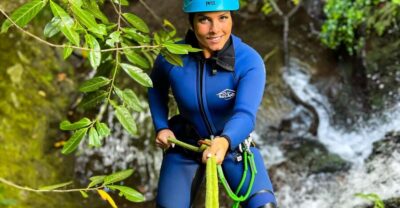
Lists this trip sits in