
Review · NORWAY
Geiranger: Rappelling tour with epic view
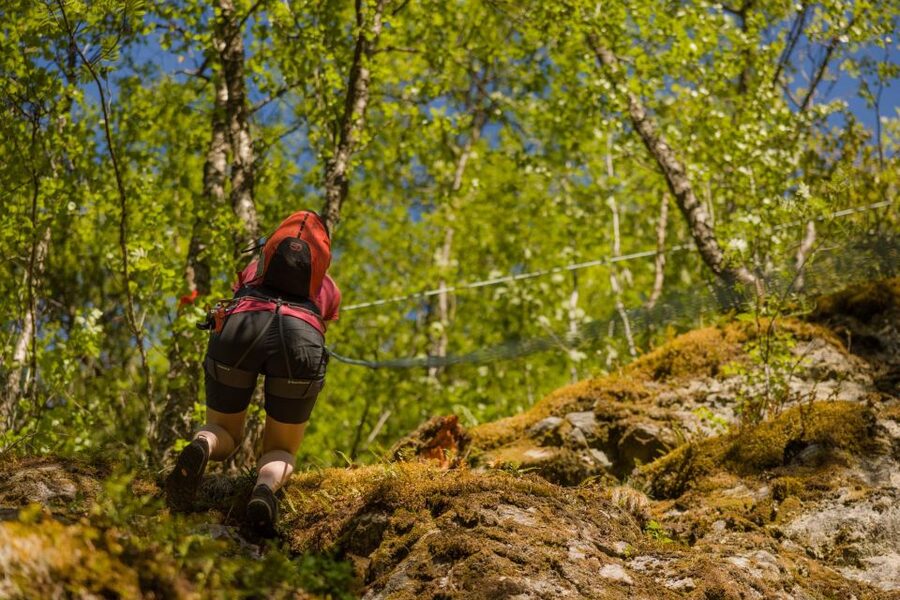
The best part of this Geiranger adventure comes before the rappelling: you climb through the forest toward Flydalsjuvet using ropes and a jumar, with the fjord and village opening below you. At the top, you get a quieter view than the famous roadside lookout, plus a dramatic cliff-edge photo stop. I like the small private groups and the way the guide stays close during the harder climbing. I also like that the tour combines a real uphill challenge with a thrilling descent instead of simply driving to a viewpoint.
The catch is simple: this is not an easy sightseeing walk. The climb is steep, your arms do real work, and the rappelling is exposed. You need sturdy boots, gloves, and enough comfort with heights to enjoy the experience rather than spend three hours fighting it.
Key points at a glance
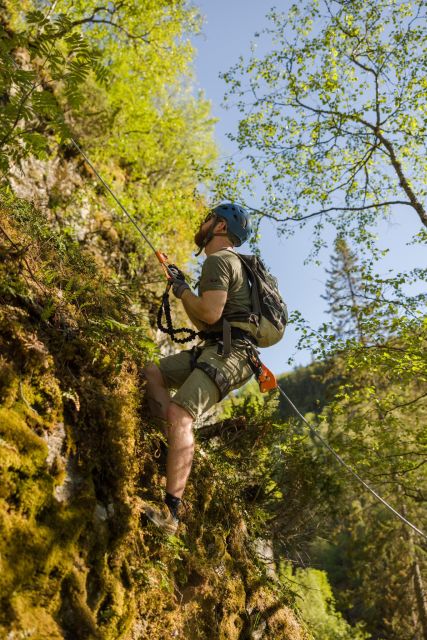
- Rope-assisted climb to Flydalsjuvet: Use clamps and a jumar on steep sections through the forest.
- A quieter viewpoint: Reach a special photo location near the cliff edge away from the summer crowds at the main lookout.
- Two major rappels: The planned route includes two 50-meter descents, with about 100 meters of height between the upper point and forest.
- Small-group attention: One English-speaking guide leads a private group of no more than six people.
- A serious physical outing: Expect a steep hike, arm strength, exposed drops, and roughly three hours on the route.
- Useful preparation: Wear sturdy hiking boots, bring water, and arrange gloves, available for about $5 according to one recent outing.
Why this Geiranger tour feels different
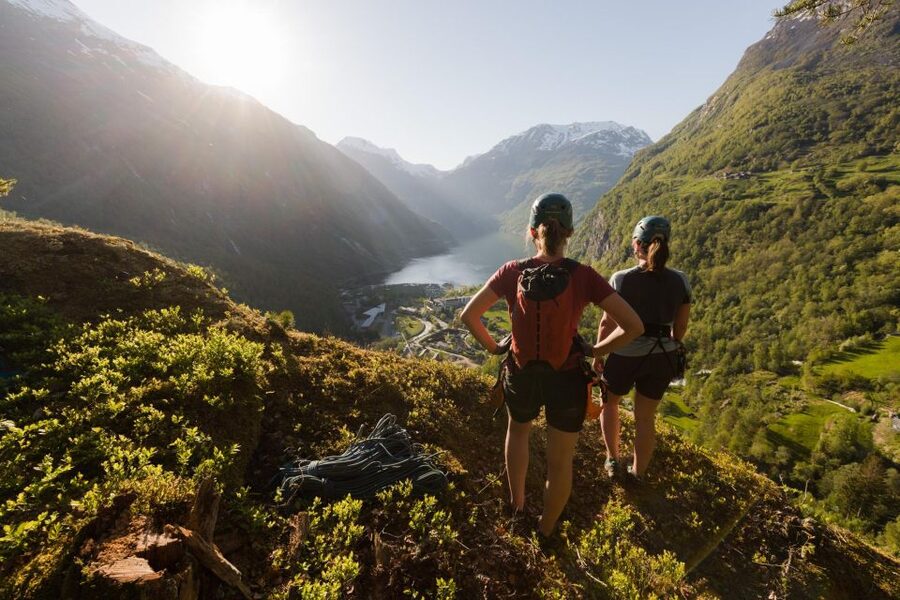
Geiranger is famous for its fjord views, waterfalls, cruise ships, and packed roadside viewpoints. This outing gives you the same grand scenery, but you earn it one steep section at a time.
You start at Explore Geiranger’s office beside Dynamite Waterfall. From the harbor, allow about 15 minutes on foot to reach Geirangervegen 139. There is no transfer from the harbor, so cruise ship passengers should build that walk into the day. The route back to town follows a road for part of the way, then can connect with the attractive stairs beside the waterfall.
The group is private and capped at six people, with one guide. That ratio matters here. A rope-assisted climb needs close instructions, and the guide may need to show you exactly where to place your feet or how to use the clamps. Phillip and Simona are two guides associated with recent outings, and both the patient coaching and calm safety instruction were strongly emphasized.
The advertised time is three hours. Some outings have taken about three and a half to four hours, depending on the group. You should not schedule a tight cruise departure or another activity immediately afterward.
More Abseiling and Rappelling in Norway:
- Full Day Combo Kayak and Rappel – Northern Explorer
★ 5.0 · 25 reviews - Lofoten: Full Day Combo tour, (kayaking and rappelling)
★ 4.9 · 16 reviews - Extreme Canyoning With Waterfall Rappelling near Geilo in Norway
★ 5.0 · 10 reviews
The climb starts beside Dynamite Waterfall
Before setting off, everyone takes part in a safety briefing inside the guide office. Equipment is handed out there, so you do not need to arrive carrying climbing gear.
The first part of the route takes you uphill through deciduous forest. Much of the path has rope protection, and the steepest sections use rope clamps to help you move upward. A jumar, also called an ascender, lets you pull and step along the fixed rope rather than relying only on the rough trail.
That sounds technical, but the guide introduces the system as you go. You still need to use your arms. This is not a walk where the rope simply protects you while your legs do all the work. You will pull, brace, and search for secure foot placements on the steep ground.
The guide stays close and checks your progress. One 65-year-old participant managed the climb with steady help from the guide, including foot-placement advice and encouragement. That does not make the route easy for everyone, but it shows that age alone is not the deciding factor. Strength, balance, and a willingness to keep moving matter more.
You should also know that the route is described as completely safe when used correctly, but safe does not mean gentle. The combination of steep terrain, ropes, and height can feel demanding even when the equipment is doing its job.
Flydalsjuvet arrives in stages
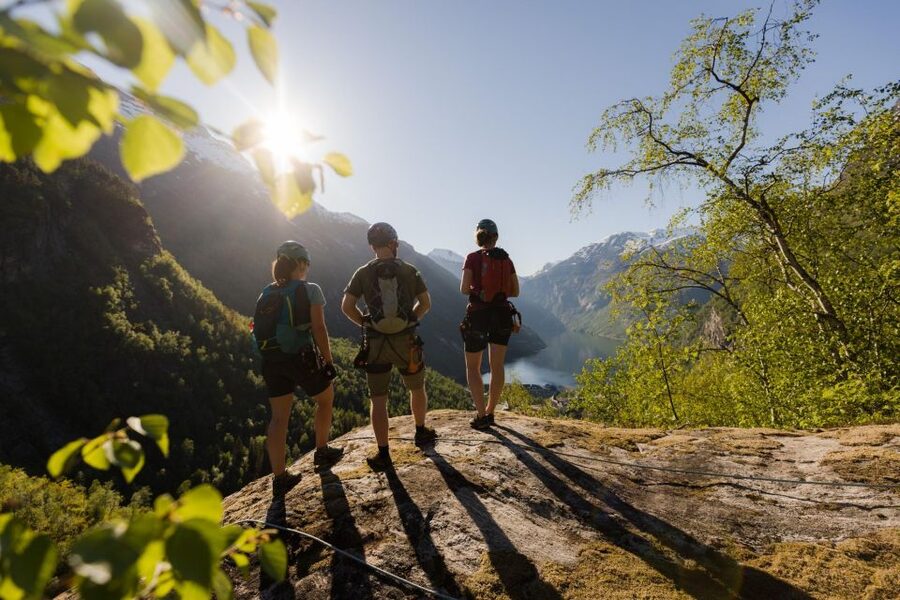
The views improve as you climb. At first, you see Geiranger through the trees. Then the fjord, village, and surrounding mountains begin to fill the gaps in the forest. The changing view gives the climb a useful rhythm because you can pause, look back, and see how much height you have gained.
Flydalsjuvet is one of the area’s signature viewpoints. Thousands of people reach the main canyon lookout by car during the summer. This route approaches the area on foot and uses a quieter path, giving your small group space to enjoy the view without standing in a long line of cars and camera-hunters.
The guide leads you along a secret path to a photo location near the cliff edge. The setting is dramatic, but this is also where you need to follow instructions carefully. You are not being invited to wander around the rim on your own. Listen to the guide, stay within the directed area, and treat the photograph as a bonus rather than the main goal.
After the photo stop, you get a chance to rest before heading toward the rappel section. That pause is welcome. The uphill approach is the most tiring part for many people, and your arms may need a few minutes before the descent begins.
A gentle introduction before the big drops
The route returns past the Queen’s Chair to an introduction wall. This first rappel is designed to teach the basic system before you reach the larger vertical wall.
That setup is one of the tour’s better features. You learn how to sit into the harness, control the rope, and move your feet on a smaller section before facing the most exposed part of the route. The guide can correct your technique early, when the consequences feel less intimidating.
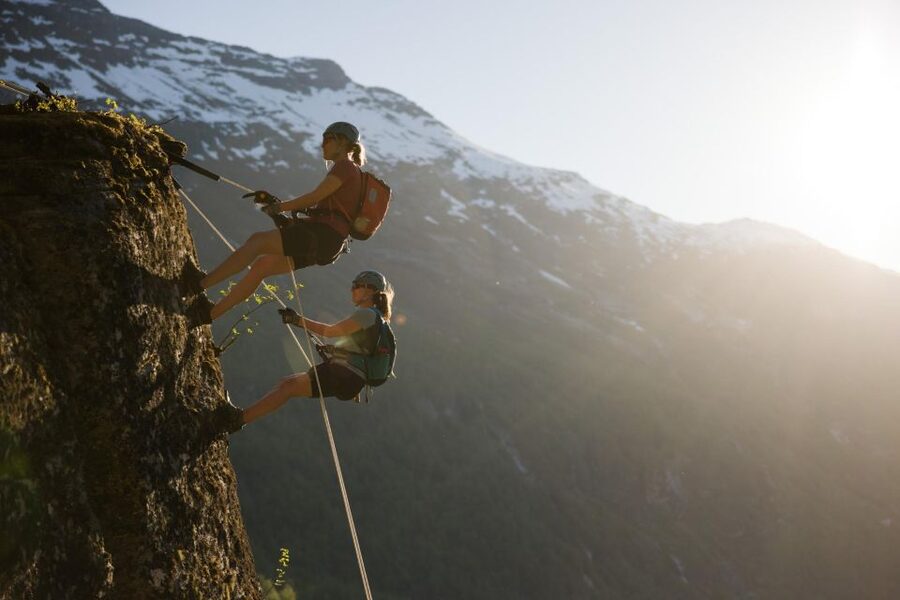
The main descent includes two 50-meter rappels. Together, they take you roughly 100 meters lower toward the forest. The rock wall gives you a broad view while you descend, so this is not an enclosed climbing gym exercise. You are suspended in open air with Geiranger’s scenery around you.
One recent outing described three rappels, with the tallest at about 60 meters, while the planned description for this experience lists two 50-meter rappels. The exact number or height may depend on the route and conditions on the day, so ask the guide at the briefing if the descent plan matters to you.
The exposure is the heart of the experience and also its main filter. If you enjoy heights, the view can make each pause on the rope memorable. If you are uneasy near a drop, the cliff wall may feel like a long time to spend outside your comfort zone.
More adrenaline activities around Norway:
- Ålesund: Via Ferrata tour
★ 4.9 · 203 reviews - Odda: Full-Day Trolltunga Via Ferrata & Sky Ladder Adventure
★ 4.8 · 115 reviews - Via Ferrata Åndalsnes Intro Wall
★ 5.0 · 84 reviews - Via Ferrata Åndalsnes West Wall
★ 5.0 · 65 reviews
What the equipment and guide do for you
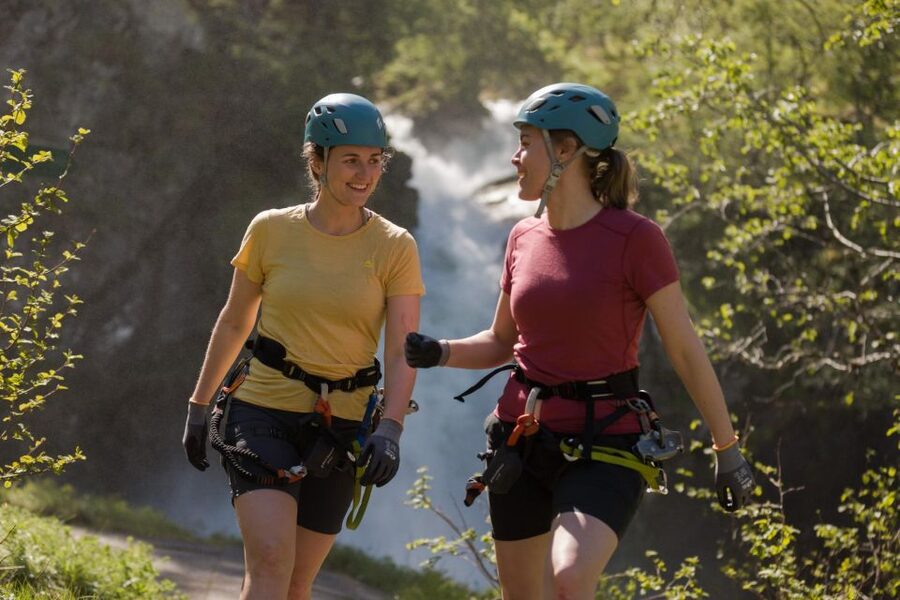
All equipment is provided, and the guide handles the technical setup. You still have to take part in the safety briefing and learn to use the system. The tour is not a passive ride where you are lowered without responsibility.
The rope clamps help during the climb, while the rappel equipment controls your descent. The guide gives directions and remains available through the difficult sections. Clear instruction is especially important for mixed-age groups, since one family outing included children and teenagers along with adults.
The small group size also helps with pacing. A group of six is large enough to share the excitement but small enough for the guide to watch each person. You may still wait while someone ahead completes a section, but those pauses are part of the activity and give you time to take in the view.
Bring water from town. One outing noted that there was no food or water at the start, although bottles could be filled midway. The tour is short enough that you do not need a full picnic, but starting thirsty would make the uphill work harder.
Gloves are required according to the same outing and were available for about $5. I would plan to buy or bring suitable gloves rather than treat them as an optional extra. Rope work can be rough on bare hands, especially during the climb.
The walk back keeps the outing grounded
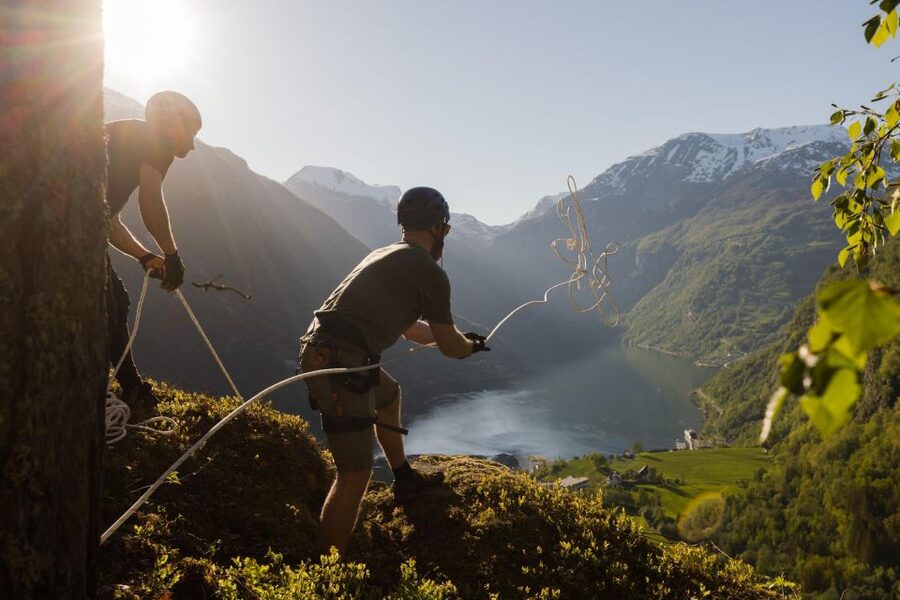
After the final rappel, you hike through the forest and then follow a road back toward the guide office. The return is less technical than the climb and descent, but your legs may feel the earlier effort.
From the guide office, you can walk back toward town using beautiful stairs alongside the waterfall. You can also reach the office from town by those stairs, or use the winding road, which has no sidewalks. The stairs are appealing, but allow extra time and be careful if you are tired from the activity.
The location also serves as the meeting point for other adventure activities, including via ferrata and zipline outings. That makes it possible to plan more than one activity in the area, though I would be cautious about stacking demanding tours on the same day. A three-hour rope climb and rappel already gives you a full physical workout.
Is $146 a fair price?
At $146 per person, this is not a cheap way to see Geiranger. You are paying for a private group, a guide, technical equipment, safety instruction, and access to a route that combines climbing, a special viewpoint, and rappelling.
The value is strongest if you want an active experience rather than a standard scenic stop. A drive to Flydalsjuvet gives you the view with far less effort, but it does not give you the rope-assisted climb, the quiet approach, or the long descent down the rock wall.
The one-guide-to-six-person ratio also helps justify the price. Technical activities benefit from close supervision, especially when your group includes first-time climbers or people with different comfort levels. You are not simply joining a large crowd and waiting for general instructions.
The cost does not include gloves, which may add about $5. Food and water are also your responsibility. Those are small expenses, but they are worth planning for because the activity itself is demanding.
Who should book this experience?
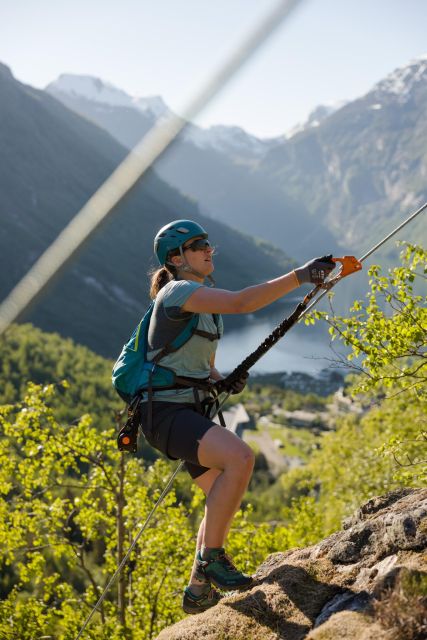
I would recommend it to you if you enjoy active sightseeing, have reasonable fitness, and want a memorable view with a physical story attached to it. It suits adults, older teenagers, and families with children aged 12 and above who are ready for a steep climb and exposed rappels.
You do not need to be an expert climber. The introductory rappel and close guide support make the route approachable for beginners. You do need enough arm strength to use the clamps, enough balance for steep ground, and enough composure to work with ropes above a drop.
The tour is not suitable for children under 12, people with heart problems, or anyone over 243 pounds, or 110 kilograms. Those limits are important, not minor fine print. If you have a health concern or are unsure about the physical demands, ask the provider before booking.
I would skip it if you mainly want a relaxed viewpoint visit, dislike heights, or need a guaranteed finish time. I would also think twice if your footwear is poor. Sturdy hiking boots are essential for the uphill sections and the rough ground around the rappel sites.
Practical details before you go
The meeting point is Explore Geiranger’s guide office at Geirangervegen 139, beside Dynamite Waterfall. It is about a 15-minute walk from the harbor, and no harbor transfer is provided.
The activity is offered in English. Equipment is supplied, and the group is private with a maximum of six people. The standard duration is three hours, though you should allow extra time because some outings have lasted three and a half to four hours.
You can cancel up to 24 hours before the start for a full refund, and the reserve-now, pay-later option keeps you from paying immediately. Check the available starting times before booking, especially if you are visiting from a cruise ship.
Should you book the Geiranger rappel tour?
Book it if you want Geiranger’s scenery delivered with effort, height, and a little nerve. The quiet route to Flydalsjuvet, patient instruction from guides such as Phillip or Simona, and two long rappels make this much more than a viewpoint visit.
Skip it if you want an easy afternoon, have limited time, or feel uneasy about exposed drops. For the right person, though, the climb and descent turn a familiar Geiranger view into something you have worked for and are unlikely to forget.
FAQ
Where does the tour meet?
Meet at the Explore Geiranger guide office at Geirangervegen 139, beside Dynamite Waterfall. The office is about a 15-minute walk from the harbor.
How long does the tour take?
The stated duration is three hours. Some outings have taken about three and a half to four hours, so avoid booking a tight connection afterward.
How many people are in the group?
The tour is a private group with a maximum of six people and one guide.
Is equipment provided?
Yes. All climbing and rappelling equipment is handed out at the guide office. Gloves are required and may be available for about $5.
How many rappels are included?
The planned route includes two 50-meter rappels. One recent outing described three rappels, with the tallest at about 60 meters, so ask the guide about the exact plan during the safety briefing.
Who should not take this tour?
It is not suitable for children under 12, people with heart problems, or people over 243 pounds, or 110 kilograms. You also need enough arm strength for the rope-assisted climb and should wear sturdy hiking boots.
Fresh thrills added around Norway
- Canyoning Adventure in Hidden Mountain Rapids near Geilo★ 4.5 · 16 reviews
- High Adrenaline Rafting in Dagali near Geilo in Norway★ 5.0 · 17 reviews
- Extreme Canyoning With Waterfall Rappelling near Geilo in Norway★ 5.0 · 10 reviews
- Full Day Combo Kayak and Rappel – Northern Explorer★ 5.0 · 25 reviews
- Half-Day Hiking in Mosjøen Via Ferrata★ 4.5 · 7 reviews
- Stavanger: Månafossen Waterfall and Via Ferrata Bouldering★ 5.0 · 2 reviews
- Sjoa: Spectacular Via Ferrata★ 5.0 · 2 reviews
- Overnight: Trolltunga Via Ferrata Sky Ladder Glamping★ 5.0 · 33 reviews
Abseiling and Rappelling, side by side
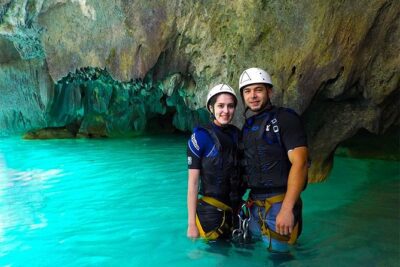
Matacanes : Canyoning + Hiking + Water Jumps + Rappel + Caves
Read our review →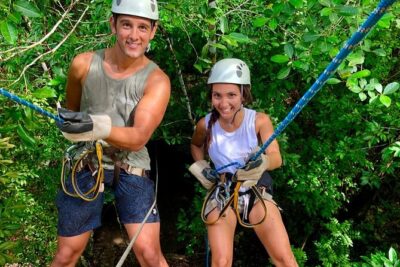
Selva Maya Eco Adventure Park: Ziplining, Hanging Bridges, Rappelling and Cenote
Read our review →
Full-Day Zipline and Waterfall Rappelling Adventure Near San Juan
Read our review →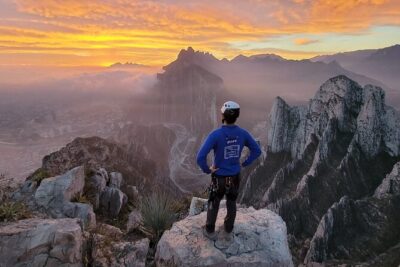
Nido de los Aguiluchos, Monterrey: Hiking + Rock Climbing + 3 Rappels
Read our review →
Rio Secreto Plus: Classic Tour, Bycicle, Rappel & Ziplines
Read our review →
Riviera Maya Jungle Half-Day Tour: ATV, Ziplines, Cenote Swim, Rappel
Read our review →
Lists this trip sits in