
Review · THE USA
NYC Extremes Downtown Photo Tour with Pro Photographer
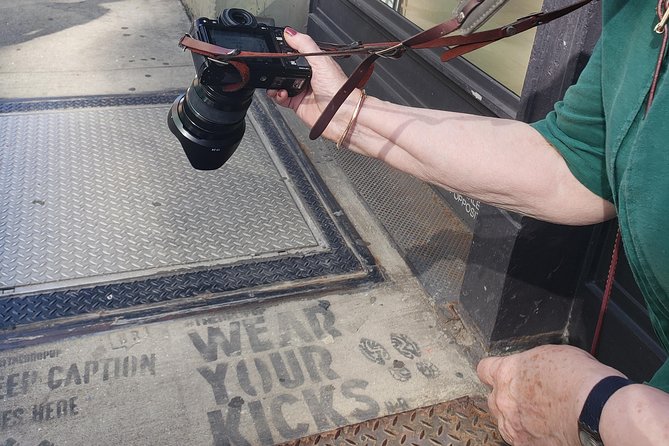
Downtown Manhattan is packed with famous sights, but this small-group photo walk aims elsewhere: the narrow details, odd angles, old facades, street art, and quick human moments you can miss while marching between landmarks. You move through several neighborhoods with a professional photographer guide, stopping to frame the city rather than simply look at it.
I like the maximum group size of four, which gives you a real chance to ask about composition or camera settings. I also like the planned stop at a local photography gallery, plus the willingness to go off route when an interesting person, scene, or detail appears.
The main drawback is the meeting-point confusion. The listed start and end address is 58 7th Ave in Brooklyn, while the route is in downtown Manhattan and may finish in Tribeca. Confirm the exact meeting instructions before you set out.
Key points at a glance
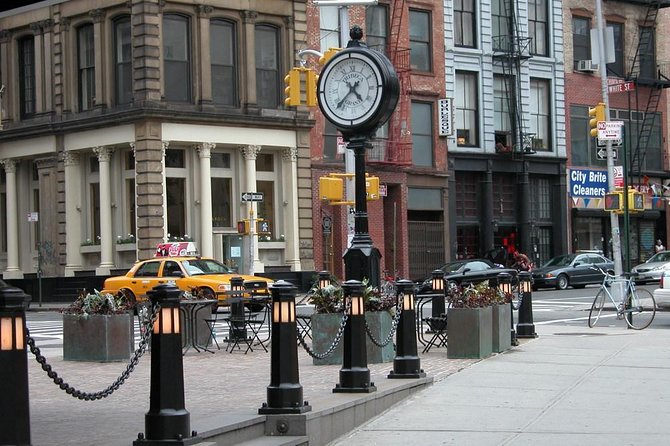
- Greenwich Village starts the walk with small details: Look for blink-and-miss-it architecture, street art, and unusual street scenes.
- A professional photographer leads the group: You can ask for help with technique, including camera problems that arise during the walk.
- The group is capped at four people: This is far more personal than a standard city walking tour.
- The route crosses several downtown districts: Astor Place, the Bowery, Nolita, SoHo, and possibly Tribeca each offer different subjects.
- The tour suits many camera styles: It is designed for editorial, macro, travel, and Instagram photography, from beginner to experienced shooter.
- Weather matters: The activity requires good weather, with a new date or full refund offered if poor conditions cancel it.
A photo walk built around overlooked New York
This is not a checklist tour aimed at getting you quickly to the Empire State Building or the Statue of Liberty. The subject is downtown Manhattan itself, seen through a photographer’s eye.
That means you might spend time framing a small architectural detail, waiting for a passerby to complete a street scene, or examining a bit of street art that most people would walk past. The experience is useful because a photographer changes your pace. You stop looking only for famous buildings and start noticing lines, textures, reflections, scale, and timing.
The guide is described as both a local guide and a professional photographer. Those roles matter in different ways. A local guide can add historical tidbits and point out places that are easy to miss. A working photographer can help you decide what deserves a frame and how to handle technical trouble when your camera settings are not cooperating.
You do not need to be an expert. The tour is intended for all levels and for several kinds of photography, including editorial, macro, travel, and Instagram work. Bring the camera or phone you actually use. The goal is not to prove that you own the fanciest equipment. It is to leave with a sharper way of seeing the city.
More ways to get the heart going around the USA:
- Orlando Tree Trek Adventure Park
★ 5.0 · 845 reviews - Niagara Falls USA, Open-Top (Wet) Jet Boat Tour
★ 5.0 · 600 reviews - Off Road UTV Adrenaline Experience in Las Vegas
★ 5.0 · 529 reviews
Greenwich Village: start with the details
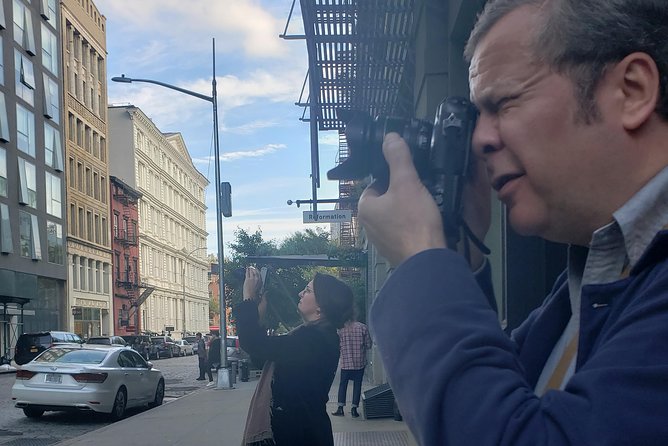
The first 40 minutes are set aside for Greenwich Village. This is the strongest part of the tour for visitors who like small-scale subjects and streets with personality.
You will look for unusual architecture, street art, and little scenes that can disappear if you are focused only on major attractions. The guide also shares historical tidbits, giving context without turning the walk into a long lecture.
Greenwich Village works well as an opening because it offers variety. You might find yourself moving from a building detail to a painted wall, then shifting to a street scene where timing matters more than technical perfection. That range gives beginners several easy ways to start, while experienced photographers can work on a particular style.
The phrase blink-and-you’ll-miss-it fits the purpose here. You are not promised a fixed list of famous photo stops. Instead, you are encouraged to notice what is in front of you and remain ready for something unexpected.
That flexibility is useful, but it also means the exact experience can change. If you prefer a rigid route with named landmarks and guaranteed shots, this may feel loose. If you like following an interesting detail down a side street, the open approach is a strength.
The photography gallery adds a useful pause
The Greenwich Village portion includes a stop at a local photography gallery. Admission is included, and the visit reinforces the central idea of the tour: good city photography depends on observation, not just on pointing a camera at a landmark.
A gallery stop gives you a chance to look at finished photographs while you are still thinking about your own work. Pay attention to how the images handle cropping, light, timing, and ordinary subjects. Even a short visit can help you return to the street with a more deliberate eye.
The gallery is also a welcome change of pace during a walking tour. You are not photographing continuously for two hours, and that can help keep the experience from feeling rushed. Still, the available information does not specify the gallery’s name, exhibition, or opening schedule. Treat it as a planned stop, not the main attraction.
Astor Place and the Bowery: a change of mood
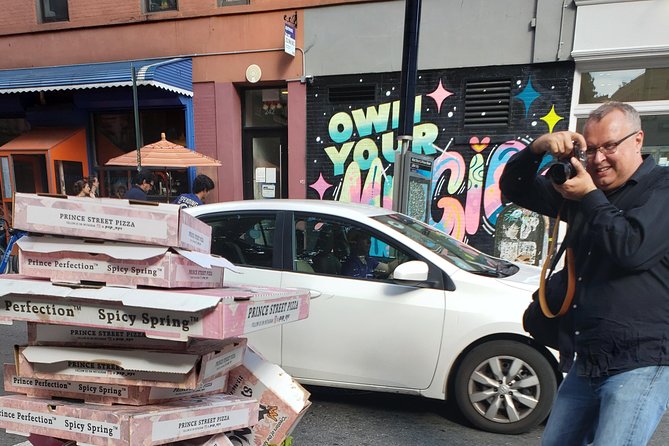
After Greenwich Village, the route moves through Astor Place and then south along the Bowery. This section lasts about 20 minutes, so expect a compact stretch rather than a long neighborhood exploration.
Astor Place provides a transition between the tighter village streets and the broader urban scenes farther south. The Bowery then changes the visual rhythm again. You may find more opportunities to work with larger building fronts, strong lines, signs, and the contrast between old and newer construction.
This part is valuable for photographers who want to practice changing subjects quickly. Greenwich Village encourages close attention. The Bowery can push you toward wider frames and stronger geometry.
Because the stop is brief, listen closely when the guide suggests a point of view. A few minutes can disappear while you adjust settings or wait for a person to enter the frame. If you are using a phone, you can still get plenty from this section by trying different angles and controlling what appears at the edges of the image.
Same nerve, a different drop:
- Rappel Maui Waterfalls and Rainforest Cliffs
★ 5.0 · 459 reviews - Extreme Flight Experience in Las Vegas
★ 5.0 · 404 reviews - San Diego Bay Jet Boat Ride
★ 5.0 · 397 reviews - San Diego: Patriot Jet Boat Thrill Ride
★ 4.8 · 395 reviews
Nolita and SoHo: architecture with room to experiment
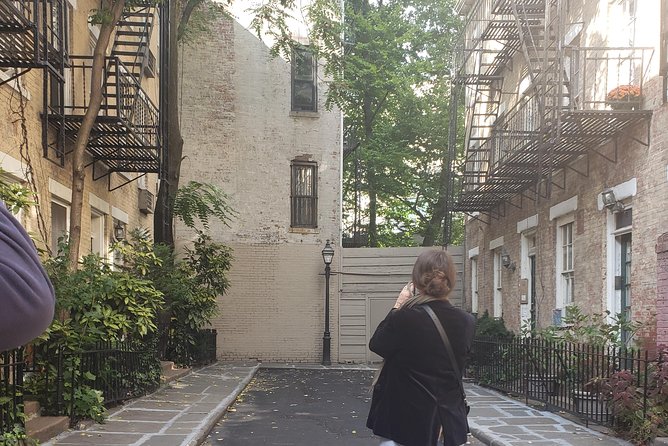
The next 20 minutes cover Nolita and SoHo, two areas that offer more architectural variety and frequent street photography opportunities.
SoHo is especially useful for photographers who like building surfaces, repeated windows, cast-iron details, and strong patterns. Nolita offers a different scale and feel, with street scenes that can reward a tighter crop. The exact stops may vary, since the tour allows room for spontaneous discoveries.
This is where the walk’s broad appeal becomes clear. An editorial photographer can look for a scene that says something about the neighborhood. A macro photographer can concentrate on a small texture or detail. A visitor who wants social-media images can work on clean compositions and strong visual shapes.
You will probably get more from this section if you avoid trying to photograph everything. Choose one idea for a few minutes. Work with vertical and horizontal framing. Try a close view, then step back. Ask the guide how the image changes when you move rather than zoom.
The short time allocation is both a benefit and a limit. You get a quick taste of several districts, but you will not thoroughly explore Nolita and SoHo. This is a sampler of photographic subjects, not a full neighborhood tour.
Tribeca or a different final route
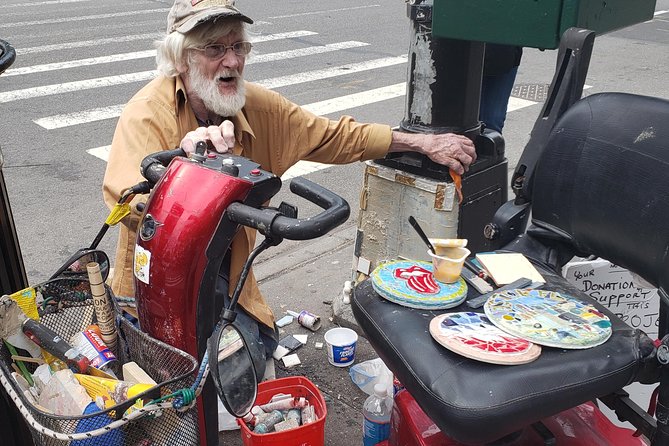
The last 40 minutes are flexible. The group may continue into Tribeca, or the guide may choose another part of Greenwich Village for additional sights and sites.
That choice gives the guide room to respond to the day. An unexpected street event, a promising block, or the group’s interests can shape the final section. A small group makes this kind of decision easier than a large tour with a fixed schedule.
Tribeca can provide another change in architecture and street atmosphere. If the route instead returns to Greenwich Village, you may have more time to work on subjects you noticed earlier or pursue a style that suited you.
The tradeoff is predictability. You cannot count on a single guaranteed final neighborhood from the information provided. If Tribeca is essential to your plans, ask before booking or confirm on the morning of the walk.
The tour may end in Tribeca even though the listed meeting information gives the same Brooklyn address for the start and end. That is the most important practical detail to clarify. You do not want to finish with a camera in hand and discover that your onward transportation plan assumes a return to Brooklyn.
Why a group of four changes the experience
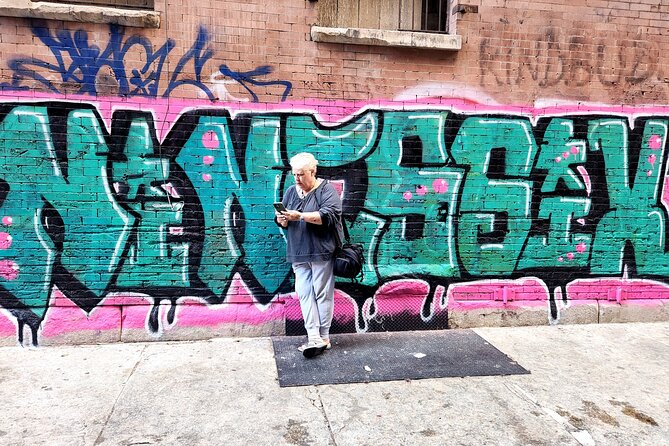
A maximum of four participants is the clearest reason this tour costs more than a basic walking tour. At $140 per person for about two hours, you are paying roughly $70 per hour, before considering the value of the professional guidance and very small group.
That price will feel high if you only want a casual stroll and a few snapshots. It becomes more reasonable if you want direct feedback, help choosing subjects, and the freedom to ask questions without competing with a crowd.
The small size also matters for street photography. A large group can block a narrow sidewalk, make it harder to stop naturally, and force everyone to photograph the same subject from the same spot. Four people can spread out slightly, compare ideas, and keep moving without turning every stop into a production.
One piece of feedback specifically points to the guide responding closely to personal wishes and helping with technical problems. That is exactly the sort of benefit a small group can provide. If your camera settings, focus, or framing give you trouble, you have a better chance of getting useful help quickly.
The tour is not a formal private lesson, however. Your attention will be shared with up to three other people, and the precise balance between history, technique, and street photography may depend on the group.
Who will get the most from this walk
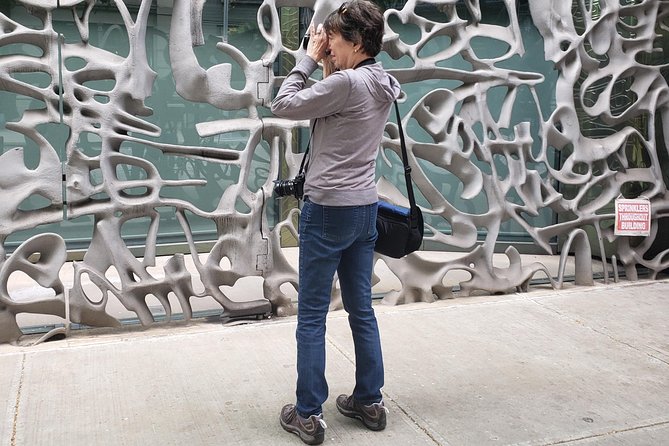
This experience is a good fit if you want to:
- See downtown Manhattan through architecture and street scenes rather than major sights alone
- Improve your eye for small details and unusual compositions
- Ask a professional photographer practical questions
- Photograph with a phone, compact camera, mirrorless camera, or another setup
- Work on editorial, macro, travel, or Instagram images
- Keep the group small and personal
- Let the route change when an interesting scene appears
It is less suitable if you want a guaranteed list of famous landmarks, a long technical workshop, or a relaxed ride with little walking. You should also have a moderate level of physical fitness, since the experience is a walking tour through several downtown neighborhoods.
The listed start time is 11:00 a.m., and the walk lasts about two hours. Midday light can be bright and unforgiving, but it also gives you clear detail on building surfaces and street scenes. The schedule may work well if you want to photograph before an afternoon plan, though you should leave room for the route possibly ending in Tribeca.
Practical planning for the day
Wear comfortable shoes and keep your equipment light. The tour involves walking through several neighborhoods, and changing locations is part of the experience.
Bring a fully charged phone or camera. Since technical help is part of the guide’s value, you will get more from the walk if you bring the device you want to improve with, rather than treating the outing as sightseeing only.
Confirm the meeting point carefully. The supplied information lists 58 7th Ave, Brooklyn, New York 11217, as both start and end, while the route itself describes Greenwich Village, the Bowery, Nolita, SoHo, and Tribeca. It also says the tour may end in Tribeca. Ask the provider to clarify where you should meet and where you are likely to finish.
The activity is near public transportation, and service animals are allowed. Confirmation is provided at booking. These details make the outing easier to fit into a New York schedule, but the unusual address information still deserves a quick check.
Weather is another practical concern. The tour requires good weather. If poor weather causes cancellation, you can choose another date or receive a full refund. You can also cancel for a full refund up to 24 hours before the start time. A cancellation inside that 24-hour window is not refunded, and changes then are not accepted.
Is $140 a fair price?
The answer depends on what you want from the morning. For ordinary sightseeing, $140 is a serious price for two hours. For a small photography lesson combined with a guided walk through several downtown districts, it is easier to justify.
You are not paying for admission to attractions. The stops are public streets, and the gallery admission is free. The value comes from the guide’s eye, the route, the limited group size, and the chance to get personal help while you shoot.
I would consider it good value for someone who already enjoys photography and wants fresh ideas in New York. It is also useful for a beginner who feels unsure about camera settings and would rather learn while making real images than sit through a classroom lesson.
If you are mainly looking for famous views, save the money and explore on your own. Downtown Manhattan provides plenty of free subjects. This tour earns its price only when you use the guide actively: ask questions, show the guide your frame, and explain what kind of photographs you want to make.
Should you book the NYC Extremes Downtown Photo Tour?
Book it if you want a small, flexible photography walk focused on overlooked details, architecture, street art, and people in motion. The professional photographer guide, four-person limit, gallery stop, and hands-on help make it more personal than a standard neighborhood stroll.
Skip it if you need a fixed route, guaranteed Tribeca time, or a tour centered on iconic attractions. Before paying, confirm the Brooklyn meeting address and possible Tribeca finish. If that logistics issue is clear and the $140 price fits your plans, this is a smart choice for photographers who want to see downtown Manhattan with more attention and less rush.
FAQ
How long is the NYC Extremes Downtown Photo Tour?
The tour lasts approximately two hours.
What time does the tour start?
The listed start time is 11:00 a.m.
Where does the tour take place?
The route covers downtown Manhattan, including Greenwich Village, Astor Place, the Bowery, Nolita, SoHo, and possibly Tribeca.
Where is the meeting point?
The listed start address is 58 7th Ave, Brooklyn, New York 11217. Because the route takes place in downtown Manhattan and may end in Tribeca, confirm the meeting instructions with the provider before setting out.
How many people can join the tour?
The maximum group size is four travelers.
Is the tour suitable for beginners?
Yes. The experience is designed for all photography levels and suits editorial, macro, travel, and Instagram photography.
Is photography equipment provided?
The supplied information does not state that equipment is provided. Bring the camera or phone you want to use during the walk.
What happens if the weather is poor?
The experience requires good weather. If it is canceled because of poor weather, you will be offered another date or a full refund.
Can I cancel the tour?
Yes. You can cancel up to 24 hours before the start time for a full refund. Cancellations or changes made less than 24 hours before the start time are not accepted or refunded.
Fresh thrills added around the USA
- Southern California Extreme UTV Tour (19-Mile Tour)★ 5.0 · 19 reviews
- Rappelling Adventure in Joshua Tree National Park (6 Hours)★ 5.0 · 2 reviews
- Rappelling Adventure in Joshua Tree National Park (4 Hours)★ 5.0 · 12 reviews
- Chasing Waterfalls:Wild Hawaii Rappelling★ 5.0 · 19 reviews
- Niagara Falls Sightseeing tour of USA Side plus Jetboat★ 3.5 · 5 reviews
- 3 Hour Session at Williamsburg’s Adventure Park Area 53★ 3.5 · 6 reviews
- NYC Extremes Photography Excursion★ 5.0 · 2 reviews
- Adventure Park Ziplining and Climbing in Nashville★ 4.5 · 27 reviews
USA Adrenaline Activities, side by side

Niagara Falls USA, Open-Top (Wet) Jet Boat Tour
Read our review →

Ketchikan Shore Excursion: Rainforest Canopy Ropes and Zipline Adventure Park
Read our review →Lists this trip sits in