
Review · SPAIN
Sant Feliu de Guíxols: Guided tour of the Cala del Molí Via Ferrata
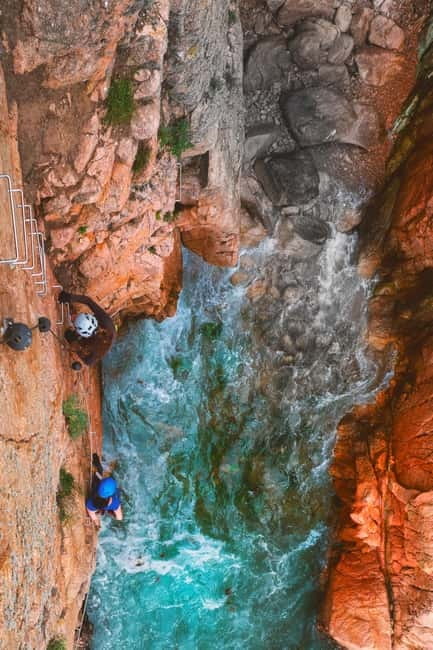
The Cala del Molí Via Ferrata is one of Europe’s rare coastal climbing routes, with metal rungs and walkways fixed to the rock above the Mediterranean. I like the sea-level setting and the way the route mixes real climbing with big Costa Brava views. The small groups, usually no more than six, also give guides such as Miki or Miguel time to help each person.
I also like that the $94 price includes a helmet, harness, energy dissipators, insurance, and photos, so you do not need to arrange the technical side yourself. The main caution is fitness: this is rated K3, and even beginners need enough strength for vertical sections, exposed traverses, and several hours on the route.
Key points at a glance
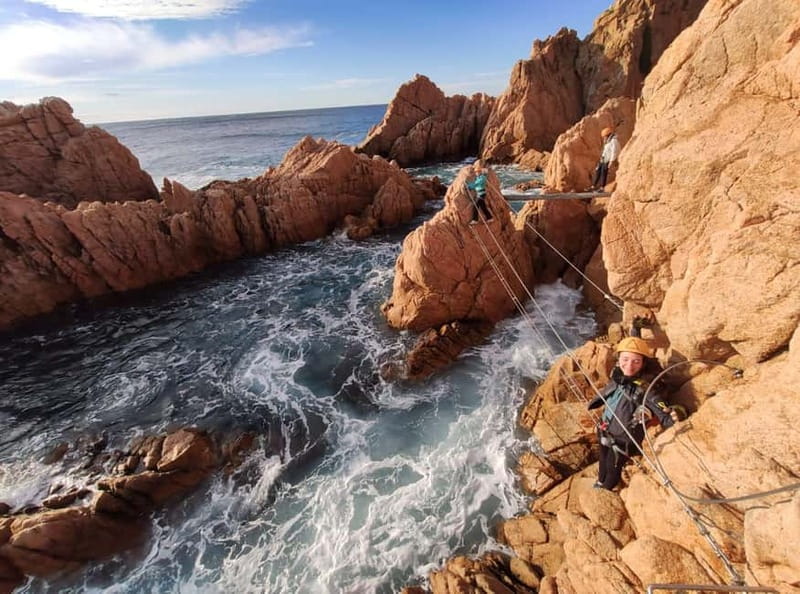
- The only European via ferrata that crosses the Mediterranean Sea, with sections above the water at Cala del Molí.
- K3 intermediate difficulty, suitable for beginners who are in reasonably good physical condition.
- Tibetan bridges and metal walkways add short bursts of height and exposure without requiring previous climbing experience.
- Small groups of up to six allow for close supervision and personal instruction.
- Miki and Miguel are among the guides who have led this activity, with instruction available in Spanish, English, and French.
- Equipment, insurance, and photos are included, which makes the $94 fee easier to judge.
Why Cala del Molí feels different from a standard climbing outing
A normal climbing wall gives you movement and technique. Cala del Molí gives you movement, technique, salt air, and a view that keeps changing as you work along the cliffs.
The route is built into the rocky coast at Sant Feliu de Guíxols. Instead of climbing toward a summit, you progress along the shore, using fixed metal holds and safety cables. At times the rock rises beside you. At other points, the route opens toward the water, with the Mediterranean below and the coves of the Costa Brava spread around you.
That coastal setting is the real reason to choose this activity. You are not simply completing a series of obstacles. You are moving through a stretch of shoreline that is hard to experience from a beach path or a sightseeing bus.
The activity lasts about 3.5 hours, with the actual route described as roughly three hours. The extra time allows for meeting the guide, fitting equipment, receiving instructions, and moving through the route at the pace of a small group.
More Via Ferrata Routes in Spain
- Sant Feliu de Guixols: Climb Via Ferrata Cala del Molí
★ 5.0 · 253 reviews - Gran Canaria: Guided Via Ferrata Excursion
★ 4.9 · 198 reviews - Via Ferrata in Gran Canaria. Vertical adventure park. Small groups
★ 5.0 · 183 reviews
Meeting near the route and getting fitted out
You meet near the start of the via ferrata, at a designated parking area. This is useful because you do not have to begin with a long transfer or a separate hike across town. You should plan to arrive ready for activity, wearing sports clothes and proper footwear.
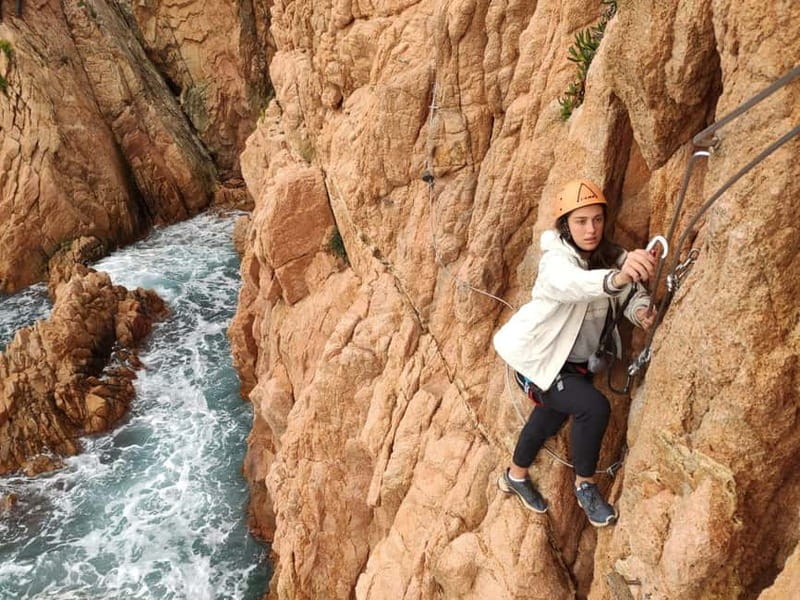
The guide provides a helmet, harness, and approved energy dissipators. These devices connect you to the fixed safety cable as you move along the route. The guide explains how to transfer the connections around anchors and obstacles, which is the key skill you need before leaving the starting area.
That briefing matters, especially if this is your first via ferrata. You do not need formal rock-climbing experience, but you do need to listen carefully and use the equipment as instructed. The guide remains with the group and provides technical advice throughout the outing.
The small-group limit of six is a practical advantage. A guide can watch how you use the system, answer questions, and give extra help at a difficult move. A larger group could mean more waiting and less direct attention, particularly when someone is learning the basic movements.
The first climbs: a useful test of your fitness
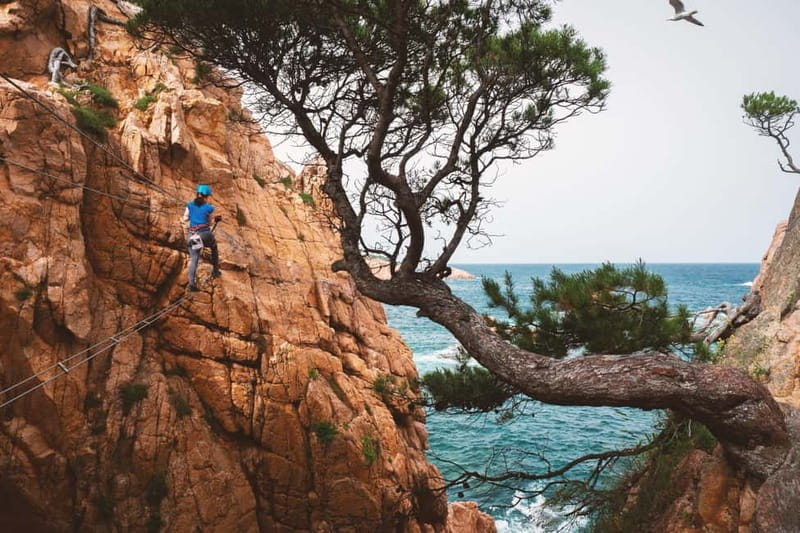
The early section gives you a chance to get used to the harness and fixed cable. You climb and traverse along the rock, using metal rungs and footholds. This is where you find out how your arms, legs, and balance are handling the route.
You should think of K3 as an intermediate level, not a gentle walk with a few steps. The activity is open to beginners, but only beginners with a basic level of fitness. You will need to pull and push yourself through vertical sections, keep moving over exposed ground, and stay comfortable while looking down toward the sea.
One useful piece of advice is to save your arms. New climbers often grip every hold tightly and try to pull their entire weight upward with their hands. Use your legs whenever possible, keep three points of contact, and follow the guide’s instructions on foot placement.
A participant with some climbing experience reported sore arms afterward, along with a few moves that raised the pulse. That is a fair warning. You do not need to train like a climber, but this is not the best choice if you have a low fitness level or dislike sustained physical effort.
Crossing above the Mediterranean on bridges and walkways
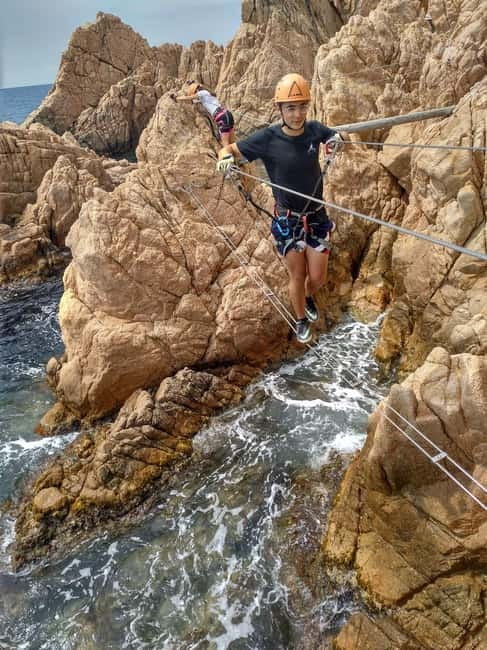
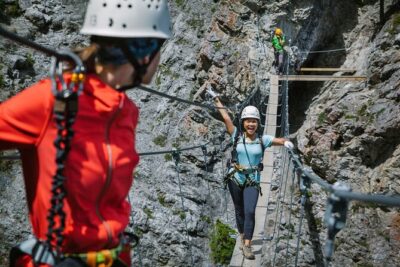
The route’s signature moments come when the rock gives way to suspended crossings. Tibetan bridges and metal walkways carry you across gaps and around the cliff face, with open air between you and the water.
These sections create the strongest sense of exposure. The equipment keeps you attached to the safety line, but you still have to place your feet, manage the cable, and move forward. The result is a controlled adrenaline rush rather than a free-form climbing challenge.
The bridges are also where the views become most memorable. You can look across the Costa Brava, down toward clear Mediterranean water, and back along the line of coves and rock. The scenery is not an occasional reward at the end. It is part of the route from beginning to end.
If you are uneasy with heights, tell the guide early. The safety system and constant supervision help, but they do not remove the sensation of being above the sea. A guide can explain the next move and help you approach the more exposed sections calmly.
You should also expect the group to slow down at the bridges and technical crossings. That is normal. The guide needs to make sure each person is correctly connected and moving safely, and the route is more enjoyable when nobody feels rushed.
Same nerve, a different drop:
- Barcelona Costa Brava Kayak, Snorkel & Cliff Jump Day Tour
★ 5.0 · 3,872 reviews - Barcelona: Costa Brava Kayak, Snorkel & Cliff Jump & Lunch
★ 4.9 · 2,391 reviews - Mallorca: Quad Bike Tour, Snorkeling, and Cliff Jumping
★ 4.8 · 2,294 reviews - From Marbella: Guadalmina River Guided Canyoning Adventure
★ 4.9 · 1,486 reviews
What the guide adds to the experience
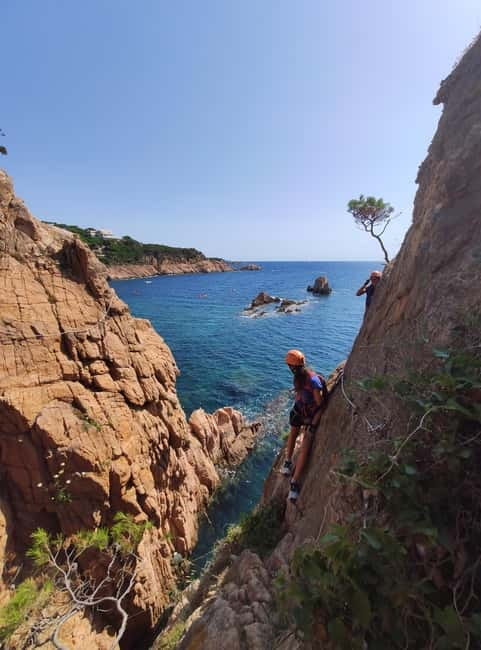
The guide is not simply there to lead the way. You rely on this person for the safety briefing, equipment checks, movement tips, and encouragement during the harder sections.
Miki received particularly positive attention for adapting to different ability levels, giving clear basic instructions, and taking photos. Miguel was also praised for being friendly, patient, and good at explaining the activity. The guide for your departure may be different, but the supplied languages are Spanish, English, and French.
Language ability can vary by guide. One participant found that communication in English was limited and sometimes relied on gestures and translation tools. If you are not comfortable in Spanish or French, it is sensible to confirm the language available for your session and pay close attention during the safety explanation.
The small group helps here too. With only six participants, the guide can demonstrate a movement more than once and adjust advice to a complete beginner or someone who has climbed before. That personal attention is more valuable on a technical route than on a simple sightseeing walk.
Equipment, shoes, gloves, and what to bring
The supplied helmet, harness, and energy dissipators cover the essential technical equipment. Accident and civil liability insurance are also included, along with photos from the activity.
You need to bring sportswear and water. Do not wear sandals or flip flops. The route includes rock, vertical sections, and exposed traverses, so closed footwear is essential.
Trail or trekking shoes with good grip are the best choice. Running shoes can work, but they may not provide the same confidence or traction on the rock. One family completed the activity with a participant in running shoes, but found that more suitable footwear would have been better.
Protective gloves are recommended. Fingerless gloves are a useful option because they protect your hands while leaving your fingers free to manage the cable and equipment. This is not a requirement, but it can make the metal holds more comfortable during a long outing.
Wear clothes that allow your shoulders and hips to move freely. Avoid anything loose enough to catch on equipment. Since the route is beside the sea, check the weather before you go and be prepared for changing exposure to sun and wind.
The views are the reward between the physical sections
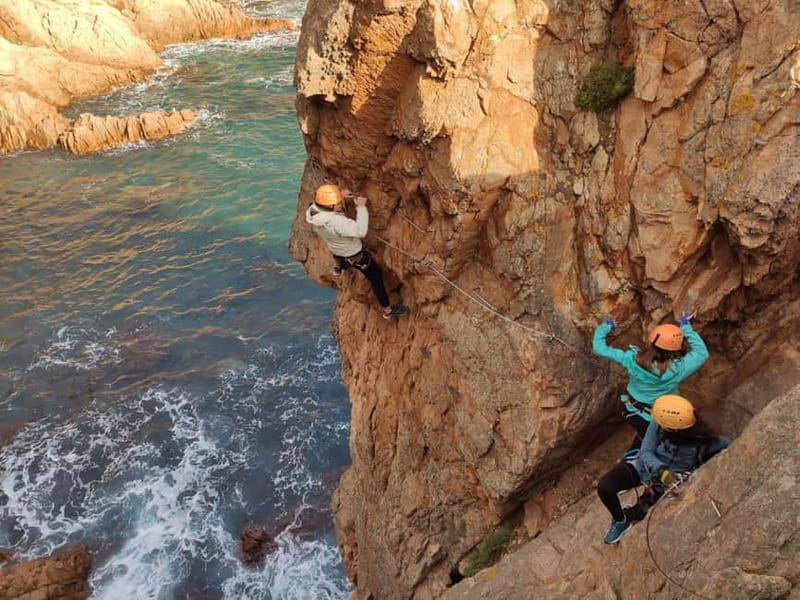
The route’s visual appeal comes from its position, not from a single lookout point. As you progress, you see the Costa Brava from different heights and angles, with rocky coves and Mediterranean water below.
That makes the outing a good choice if you want more than a workout. You get a physical challenge, but the scenery gives you reasons to pause and look around. The guide also takes photos, which is useful because your hands will be busy with the safety system and you may not want to manage your own phone.
Photography does have a practical limit. You should follow the guide’s instructions about when it is safe to stop or look away from the route. The included photos are a welcome part of the package because they record the bridges, rock sections, and coastal views without asking you to carry a camera through every obstacle.
The best approach is to treat the scenery as part of the pace. You may want to finish quickly, especially when adrenaline is high, but the route is more satisfying when you take a moment at suitable points to absorb the setting.
Is $94 a fair price?
At $94 per person, this is not a low-cost coastal walk. You are paying for a specialized activity with technical equipment, a qualified guide, insurance, a small group, and photos.
The price makes more sense if you would otherwise need to rent climbing equipment or arrange instruction separately. A first-time participant also gets the reassurance of a professional guide rather than attempting an unfamiliar route alone.
The group limit is important when judging value. Six people or fewer means your fee is buying a more personal experience, not simply a place in a large crowd. It also helps the guide respond to differences in pace and confidence.
The value is weaker if you are only looking for a short scenic stop or have little interest in physical activity. The experience takes 3.5 hours and requires effort, so the fee is best justified by the combination of climbing, sea views, and guided instruction.
Free cancellation up to 24 hours before the start and the reserve-now-pay-later option add some flexibility. Those policies are useful when your Costa Brava plans depend on weather or changing travel arrangements.
Who should book this activity?
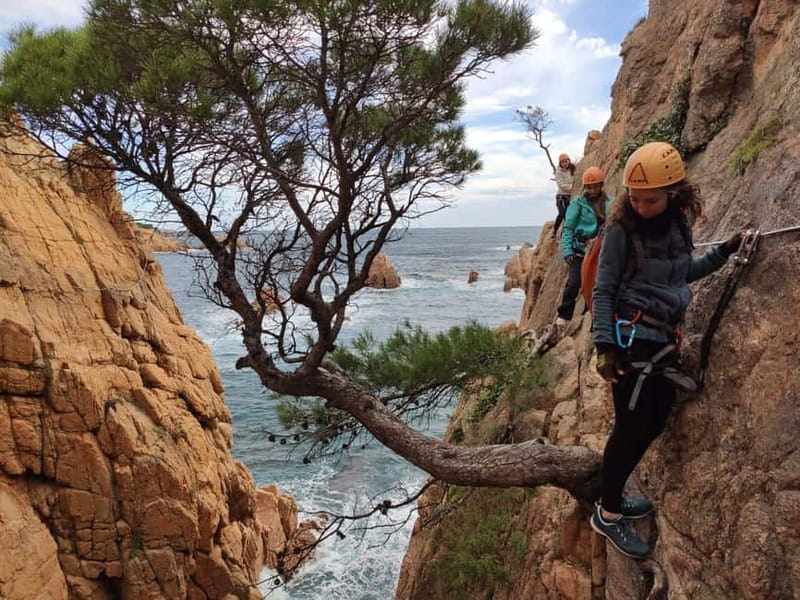
I would recommend it to active adults, families with children aged 10 or older, and friends looking for something more memorable than a standard beach day. It also suits visitors staying in or around Sant Feliu de Guíxols who want to see the coast from an unusual angle.
Children must be at least 10, and minors need parental authorization. Age alone does not determine suitability. A young participant should be comfortable with heights, able to follow safety instructions, and fit enough for vertical movement.
You do not need previous climbing experience. That is one of the route’s strengths. The important requirement is a reasonable level of fitness and a willingness to work through a few demanding moves.
I would not choose it if you have a low fitness level, strongly dislike heights, or want a relaxed outing with little exertion. The route is safe when you use the equipment correctly, but safety does not make the physical challenge disappear.
Practical verdict: book it if the coast is your goal
Book the Cala del Molí Via Ferrata if you want a guided adventure where the Mediterranean is part of the route, not just a view from the shore. The sea crossings, bridges, and cliffside walkways give the experience a clear sense of place.
The strongest reasons to go are the unique coastal setting, the small group, and the support built into the price. Bring shoes with real grip, consider fingerless gloves, and arrive ready to use your arms and legs for several hours.
For a fit beginner, this is an approachable way to try a via ferrata without giving up the excitement of height and exposure. For a seasoned climber, it may not be technically extreme, but the combination of rock and open sea gives it a setting you will not find at an indoor wall.
FAQ
Where is the Cala del Molí Via Ferrata?
It is located at Cala del Molí in Sant Feliu de Guíxols, on Spain’s Costa Brava in Catalonia.
How long does the activity last?
The booked activity lasts approximately 3.5 hours. The route itself is described as taking about three hours, with additional time for the meeting, briefing, and equipment setup.
What difficulty level is the route?
The route is rated K3, or intermediate. Beginners can participate if they have a good basic level of physical fitness.
Is previous climbing experience required?
No. Previous climbing experience is not required, but you must be comfortable with vertical sections and exposed traverses and able to follow the guide’s instructions.
What equipment is included?
A helmet, harness, and approved energy dissipators are included. Accident and civil liability insurance, a qualified guide, and photos are also included.
What should I bring?
Bring sportswear and water. Hiking or trekking shoes are recommended, and protective gloves are advisable. Sandals and flip flops are not allowed.
What languages are available, and how large is the group?
Instruction is available in Spanish, English, and French. Groups are limited to six participants.
Fresh thrills added around Spain
- Mallorca Coasteering Adventure★ 3.0 · 2 reviews
- From Estepona: Guided Via Ferrata Adventure in Benalauría★ 5.0 · 8 reviews
- From Marbella: Guided Canyoning Tour in Sima del Diablo★ 5.0 · 2 reviews
- Private canyoning adventure in the Buitreras Canyon★ 5.0 · 23 reviews
- Guided Canyoning Adventure Near Marbella (Benahavís River Walk)★ 5.0 · 116 reviews
- From Estepona: Guided Canyoning Tour on the Guadalmina River★ 5.0 · 51 reviews
- Try adventure, try coasteering – North coast★ 5.0 · 7 reviews
- Coasteering Cliff jumping★ 5.0 · 27 reviews
Via Ferrata Climbing, side by side
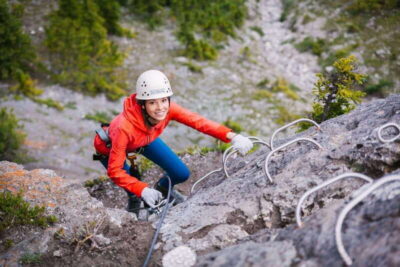
Banff: Mount Norquay 2.5 or 4-Hour Guided Via Ferrata Climb
Read our review →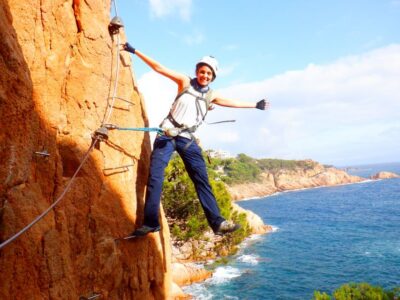
Sant Feliu de Guixols: Climb Via Ferrata Cala del Molí
Read our review →
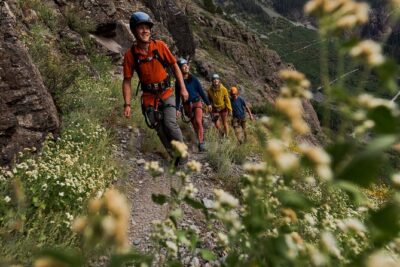
Small-Group Guided Via Ferrata Climbing with Banff’s Best Views
Read our review →
Via Ferrata in Gran Canaria. Vertical adventure park. Small groups
Read our review →Lists this trip sits in