
Review · CANADA
Half-Day Guided Via Ferrata Climbing Tour in Banff
The best part of this Banff Via Ferrata is the way it turns a sheer mountain wall into a guided adventure you can actually manage. You clip your safety lanyards to fixed cables, climb the Norquay cliffs, cross a suspension bridge, and earn wide views of Banff National Park without needing prior climbing skills.
I like the small groups of up to eight and the practical gear package, which includes a helmet, harness, lanyards, boots, rainwear, and a backpack if needed. I also like the guides’ calm approach. Ben, Greg, Allie, and Katsu are all praised for making nervous beginners feel safe while still giving the route some bite.
The main consideration is physical effort and exposure. You do not need technical climbing experience, but you should have moderate fitness, be comfortable using your arms and legs for several hours, and accept that mountain weather can change quickly.
Key things to know before you climb
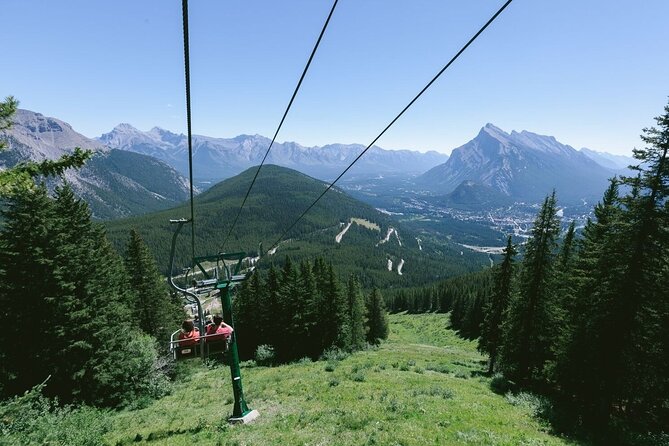
- The chairlift is part of the adventure: You ride Banff Norquay’s sightseeing chairlift to reach the start of the climbing route.
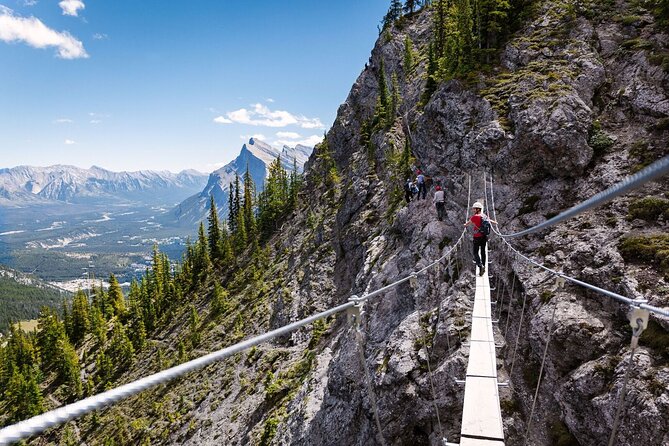
- The Ridgewalker route has real exposure: Expect Memorial, Sunrise, and Vista buttresses, plus a suspension bridge high above the valley.
- No climbing background is required: Your guide teaches you how to clip into the cable system and checks your technique.
- The group stays small: A maximum of eight people allows the guide to watch your progress and help on harder sections.
- Boots and rainwear are available: Equipment is free to borrow, though sizes are not guaranteed.
- Plan for weather and timing: Check in 30 minutes early, allow about 3 hours 45 minutes for the activity, and bring a light rain jacket if you have one.
What the Norquay Via Ferrata actually involves
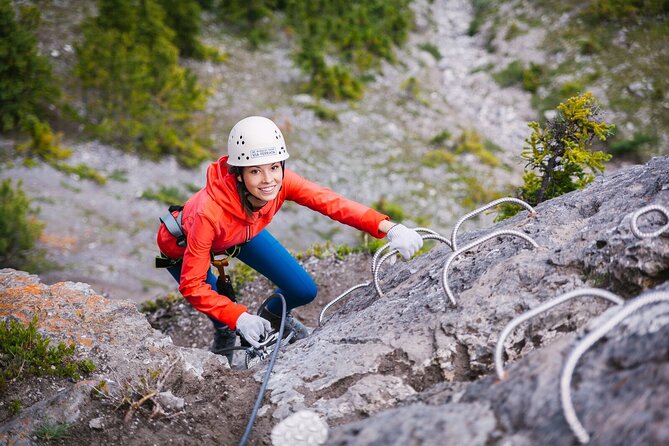
A Via Ferrata is a protected climbing route built with fixed steel cables, ladders, steps, and other anchors. You wear a harness with two lanyards, then connect yourself to the cable as you move along the rock.
That setup gives you security, but it does not make the climb effortless. You still need to step carefully, use your hands, shift your weight, and keep moving at a steady pace. The guide explains how to clip and unclip before the route gets serious, so you are not expected to arrive knowing the system.
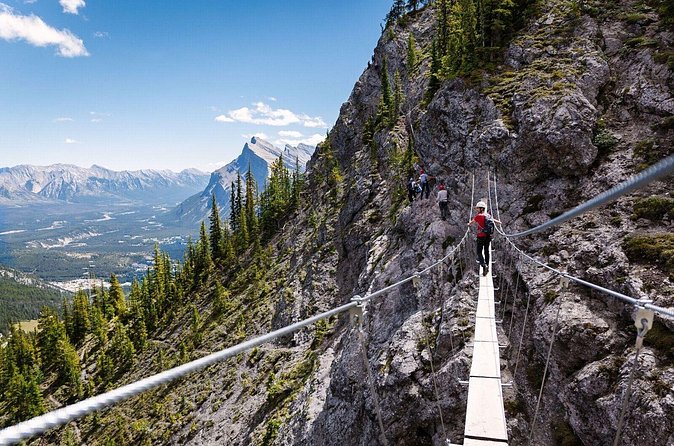
This half-day outing is called the Ridgewalker route. It is designed to give you more than a quick taste of the cliff. You climb across three named sections, Memorial, Sunrise, and Vista, and include the signature suspension bridge along the way.
The route gives you a useful mix of scenery and challenge. Some parts help you get used to the cables and rock. Others ask for more focus. That progression is one reason this makes sense for a first Via Ferrata, especially if you want to test yourself without signing up for a full-day mountain program.
More Via Ferrata Routes in Canada
- Banff: Mount Norquay 2.5 or 4-Hour Guided Via Ferrata Climb
★ 4.9 · 305 reviews - Small-Group Guided Via Ferrata Climbing with Banff’s Best Views
★ 5.0 · 195 reviews - Whistler Via Ferrata Tour
★ 5.0 · 133 reviews
Starting at Banff Norquay and riding above the trees
The meeting point is on Mount Norquay Scenic Drive, at Banff Norquay. You need to check in 30 minutes before departure, so build that extra time into your plans.
A free shuttle bus runs to and from Banff. That is a real convenience if you are staying in town and do not want to arrange a car for a short trip up the mountain. The activity ends back at the meeting point, and the shuttle returns you to Banff.
Before climbing, you take the Banff sightseeing chairlift to the Via Ferrata start point. This is more than a transfer. The ride gives you a chance to look across the surrounding peaks and get used to the height before you begin the technical part.
The chairlift also saves your legs for the route itself. You are not spending the morning hiking up from the valley floor, so the time is used for the part you came to do: moving along the cliffs.
Memorial, Sunrise, and Vista buttresses
The climbing section takes you across the Memorial, Sunrise, and Vista buttresses. Each section adds another view of the mountain setting and another chance to practice the cable system.
At first, your attention may stay on your feet, the rock, and the next clip. That is normal. Once you get the hang of the lanyards, you can look around more often. The views open out across Banff National Park, and the position on the cliffs gives you a very different perspective from a standard sightseeing stop.
The route is not a rock-climbing lesson in the usual sense. You are not searching for a line up an unmarked wall or relying on your own rope skills. The fixed system gives you a clear path, while the ACMG-certified guide manages the group and helps you through awkward sections.
That does not remove the sense of achievement. You still have to make each move. One useful way to think about it is guided mountaineering for beginners: structured enough to feel secure, active enough to feel like you earned the view.
The suspension bridge and the height factor
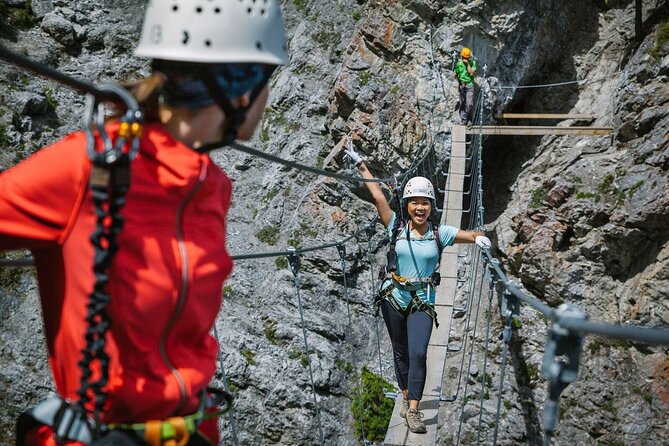
The suspension bridge is the feature most likely to make you pause. It adds a different kind of challenge because the surface can move and the view drops away beneath you.
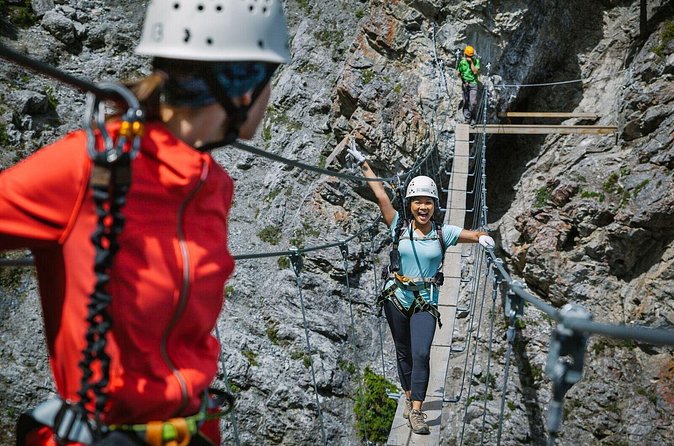
You remain attached to the safety system, but the bridge still asks you to manage your nerves. If heights bother you, tell the guide early. The guides are there to keep the pace steady and help you work through sections without turning the outing into a race.
A notable advantage of this route is that it can suit people with very different comfort levels. One person may arrive eager for exposure, while another may be testing a long-held fear of heights. The guide can keep the group moving while offering extra patience where needed.
The height is not hidden or softened. You will be on cliffs, above the valley, with open views. That is the point of the outing, but it is also the clearest reason to choose something else if exposed heights make you uncomfortable.
Same nerve, a different drop:
- Niagara Falls, ON: Jet Boat Tour on Niagara River
★ 4.8 · 1,128 reviews - Niagara Falls Canada Open-Top (Wet) Jet Boat Tour
★ 5.0 · 1,000 reviews - Montreal: Jet Boating on the Lachine Rapids
★ 4.9 · 360 reviews - Canmore Caving Adventure Tour
★ 5.0 · 356 reviews
The guides make the difference
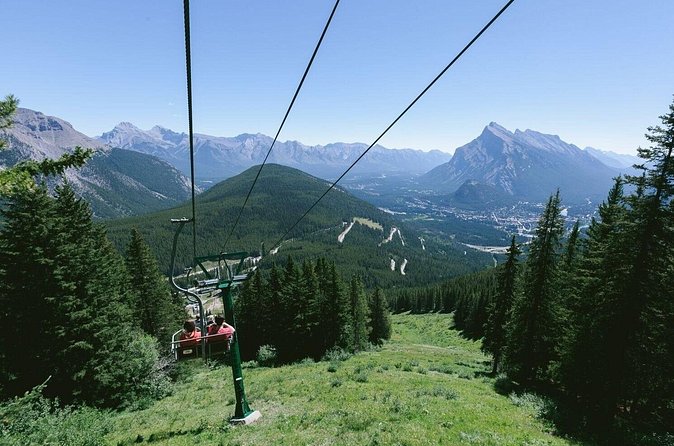
The guide is central to this activity. An ACMG-certified guide leads the route, teaches the clipping system, monitors the weather, and helps manage the group’s pace.
The names Ben, Greg, Allie, and Katsu come up in particularly strong personal accounts of the outing. Ben is praised for making the climb safe and fun, and for taking action photos. Greg was patient with a slower father and son pair and kept watch on changing storms and lightning. Allie helped a nervous group treat the route as a manageable challenge. Katsu led a group of five at a comfortable pace.
You should not assume a particular guide will lead your departure, but these examples show what good guiding looks like here. The guide is not just there to point out the route. You need clear instruction when learning to clip in, a steady pace on exposed sections, and sensible decisions when weather moves over the mountain.
The small group limit helps. With no more than eight people, the guide has a better chance of noticing hesitation, helping with equipment, and keeping the group together. It also means the outing should feel less crowded than a large sightseeing activity.
Gear, boots, and what you should wear
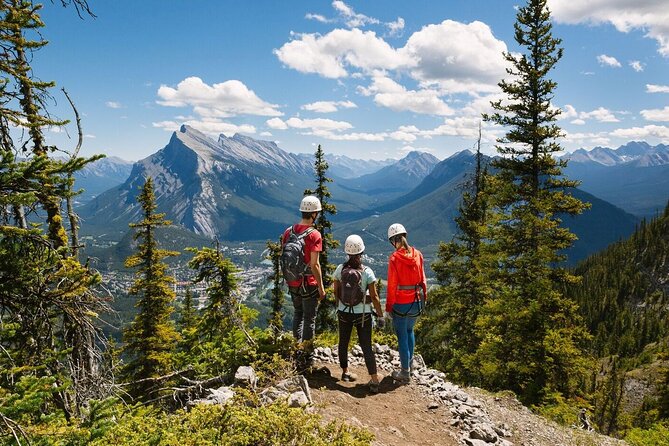
All required safety equipment is provided. That includes a climbing helmet, harness, and Via Ferrata lanyards.
Rainwear, backpacks, and suitable hiking boots are also available at no extra charge. The catch is size availability. If you already own sturdy hiking boots and a light rain jacket, bring them. One climber specifically recommended tall socks for anyone who might borrow or rent the supplied boots, which is a sensible comfort tip.
Wear practical outdoor clothing that lets you move freely. The route combines walking, stepping, pulling, and balancing, so restrictive clothes are a poor choice. Conditions can shift, and one outing included storms in the area, so a light rain jacket is useful even when the morning begins dry.
The supplied boots can make the activity easier for people who arrive without proper footwear. Still, free equipment does not mean every size will be waiting for you. If you have a good pair of hiking boots, use them.
Fitness, age, and physical limits
The minimum age is 12. The activity requires moderate physical fitness, not advanced athletic ability or previous climbing experience.
You should be ready to stay active for close to four hours, including preparation and the route itself. The exact time can vary. One outing took about four hours, especially with a slower pace and changing weather.
Your body weight must be between 40 kilograms, or 88 pounds, and 120 kilograms, or 265 pounds. These limits relate to the safety system and should be treated as firm requirements.
The activity can work for a mixed group, but your comfort matters. You may find the route tiring if you are not used to sustained outdoor movement. You should also be able to follow instructions, manage the lanyards as taught, and keep moving with the group.
Weather is part of the mountain decision
This activity depends on good weather. If poor conditions force a cancellation, you can choose another date or receive a full refund.
That policy matters because the route is exposed and lightning is a serious concern on a mountain. The guide team watches conditions, and one group experienced storms while the staff monitored lightning nearby. You should still arrive prepared for a weather change rather than assume a sunny forecast will hold all day.
If the activity is canceled because the minimum number of participants is not reached, you are offered another date or activity, or a full refund. You can also cancel for a full refund up to 24 hours before the start time. Changes or cancellations made inside that 24-hour window are not accepted for a refund.
Is the $196.24 price fair?
At $196.24 per person, this is not a cheap sightseeing outing. The value depends on what you want from your time in Banff.
You are paying for a nearly four-hour guided mountain activity, an ACMG-certified guide, the sightseeing chairlift, safety equipment, optional boots and rainwear, and shuttle transport to and from Banff. Buying or arranging those pieces separately would be difficult for a first-time climber.
The price also covers instruction and supervision. You are not simply renting access to a cliff. The guide teaches you the system, manages the group, and helps you deal with the route and the weather.
I think it is a fair price if you want an active highlight rather than another viewpoint reached by car. It is less attractive if your main goal is relaxed sightseeing. The chairlift gives you views, but much of the value comes from the physical challenge and the feeling of reaching those views under your own power.
Some people choose a longer Skyline option for added challenge. That is a different choice, not a reason to dismiss the half-day Ridgewalker route. The shorter outing is a good fit if you want a substantial adventure while leaving part of the day open.
Who should book this route?
You should consider it if you want to try a mountain activity without needing a climbing résumé. It suits couples, families with children aged 12 or older, and active visitors who want more involvement than a chairlift ride alone.
It can also work well for someone who is nervous about heights but curious enough to try. The fixed cable system and guide support provide structure, and the route gives you time to build confidence. Still, do not book it as a casual test if exposed cliffs are likely to cause severe distress.
This is a strong choice for a mixed-experience group. A first-timer can learn the basics, while a more active companion still gets real exposure, a suspension bridge, and several climbing sections.
The group size is another plus for people who value personal help. If you are bringing an older parent or anyone who may need a slower pace, speak openly with the guide. Greg’s patience with a 70-year-old participant shows that a careful pace can work, but you still need moderate fitness.
A practical half-day plan
Allow extra time before departure for check-in and equipment fitting. Wear outdoor clothing, bring tall socks if borrowing boots, and carry a light rain jacket if you have one.
Use the free shuttle if you are staying in Banff. After the climb, the activity ends near the Cliffhouse Bistro, making it easy to stop for food or a hot drink while waiting for the return shuttle.
The timing is also useful for trip planning. At about 3 hours 45 minutes, this is long enough to feel substantial but short enough to fit beside another Banff activity. Weather, group pace, and equipment preparation can stretch the outing closer to four hours.
Should you book the Banff Via Ferrata?
Book it if you want a guided challenge, open mountain views, and a clear introduction to Via Ferrata climbing. The strongest reasons are the small groups, professional guiding, included equipment, chairlift access, and route variety.
Skip it if you want a quiet morning, dislike heights, or are not comfortable with several hours of physical activity. For everyone else, this is a well-supported way to experience Banff from the rock face instead of only from the road or a viewing platform. Bring sensible clothing, respect the weather, and let the guide set the pace.
FAQ
How long does the Banff Via Ferrata tour last?
The activity lasts approximately 3 hours 45 minutes. Plan on about four hours if you include check-in, equipment preparation, and a slower group pace.
Where does the tour start and finish?
It starts at Mount Norquay Scenic Drive in Banff, Alberta, and finishes back at the same meeting point.
Is transportation from Banff included?
Yes. A free shuttle bus runs to and from Banff.
Do I need climbing experience?
No. Previous climbing or mountaineering experience is not required. The guide teaches you how to use the Via Ferrata safety system.
What equipment is provided?
Safety equipment includes a climbing helmet, harness, and Via Ferrata lanyards. Rainwear, backpacks, and suitable hiking boots are also available at no charge, although sizes are not guaranteed.
How old do I need to be?
Participants must be at least 12 years old.
How many people can join the tour?
The maximum group size is eight participants.
What happens if bad weather cancels the tour?
If poor weather causes a cancellation, you can choose a different date or receive a full refund. The activity requires a minimum number of participants as well, and the same options apply if that minimum is not met.
More Half-Day Trips in Canada
- Banff: Beginner Canyoning Half-Day Tour
★ 4.7 · 75 reviews - Half-Day Rafting Experience on Cetina River with Cliff Jumping and more
★ 5.0 · 940 reviews - Mallorca: Half-Day Coasteering Experience
★ 4.7 · 447 reviews - Queenstown Half-Day Canyoning Adventure
★ 5.0 · 420 reviews
Fresh thrills added around Canada
- Extreme Whitewater Rafting on Kicking Horse River★ 5.0 · 77 reviews
- Beartooth Canyon- Half Day Canyoning Tour – Golden, BC★ 5.0 · 11 reviews
- Adventure Canyoning Kelowna★ 5.0 · 18 reviews
- Small Group Banff Skyline Via Ferrata 5-hour Tour★ 5.0 · 15 reviews
- Banff Canyoning – Ghost Canyon (Intermediate Level)★ 5.0 · 31 reviews
- Heli Adrenaline Canyoning Tours★ 5.0 · 10 reviews
- Adrenaline Aquatic Tour★ 5.0 · 11 reviews
- Squamish: Via Ferrata Climbing Adventure★ 5.0 · 25 reviews
Via Ferrata Climbing, side by side
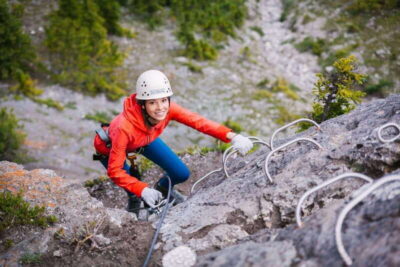
Banff: Mount Norquay 2.5 or 4-Hour Guided Via Ferrata Climb
Read our review →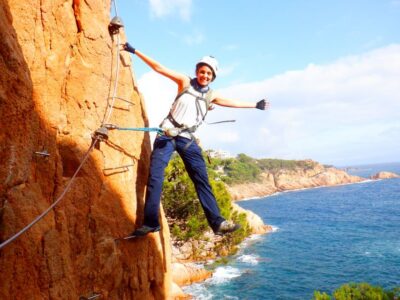
Sant Feliu de Guixols: Climb Via Ferrata Cala del Molí
Read our review →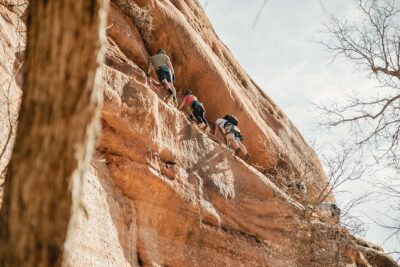
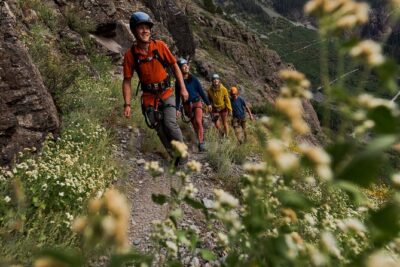
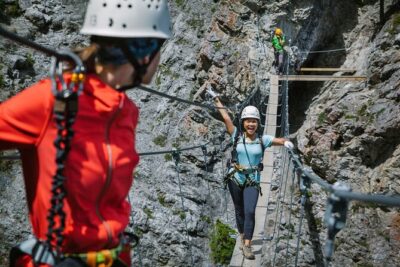
Small-Group Guided Via Ferrata Climbing with Banff’s Best Views
Read our review →
Via Ferrata in Gran Canaria. Vertical adventure park. Small groups
Read our review →Lists this trip sits in