
Review · ITALY
Dolomites Via Ferrata Experience
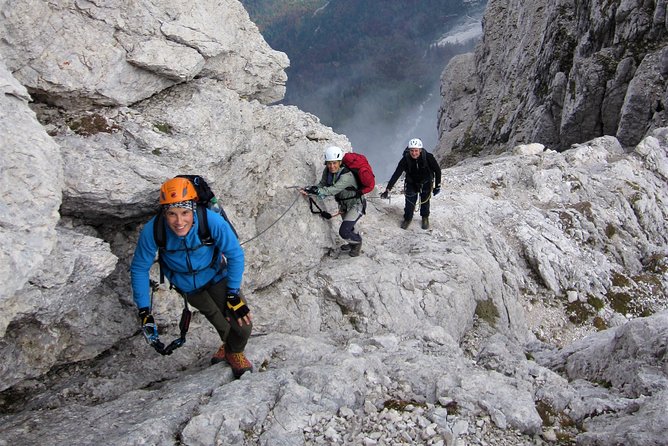
The best part of this Cortina activity is that you do not need to arrive as an expert climber. You get a safety briefing, learn how to handle the two carabiners and cable system, then tackle a route chosen for your ability. Historic trenches, steep rock, and huge mountain views give the outing more character than a simple walk.
I like the careful instruction, especially for a first via ferrata, and I like the flexible route choices. Guides including Marco, Mara, Alex, Luca, Max, and Enrico have been praised for calm coaching and good judgment. The main catch is that the advertised four-hour outing may involve extra costs for equipment, transport, or a lift, and poor weather can change the plan.
Key points before you clip in
- A strong first via ferrata: Guides teach the rope movements and cable technique before you climb.
- Routes match your ability: Easier A to C terrain has been used for beginners, with harder options available for capable climbers.
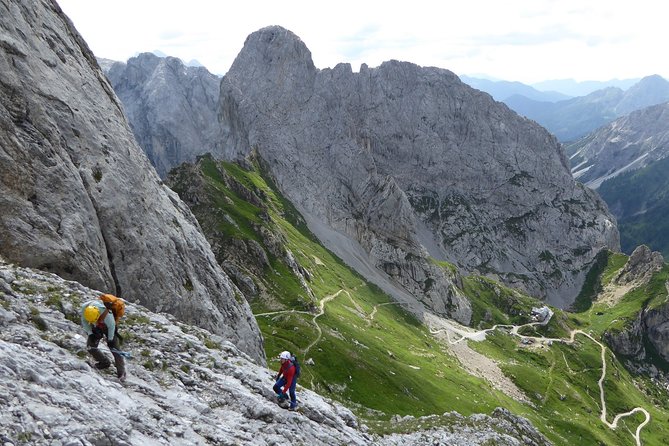
- The setting is the star: Expect limestone cliffs, high valleys, and views around Cortina d’Ampezzo.
- History comes with the climbing: Some route choices pass through World War I trenches and mountain tunnels.
- Budget for extras: A helmet, harness, and via ferrata set cost €15 per person if rented, while lifts and private transport cost extra.
- Weather matters: Snow or poor conditions can force a safer route or cancellation.
What the four-hour Dolomites climb feels like
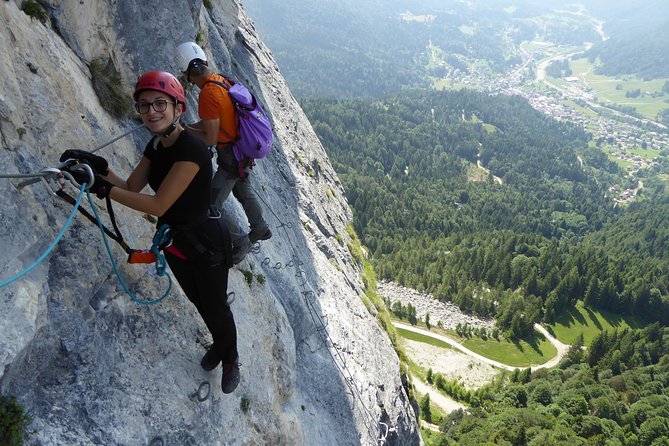
A via ferrata is not quite hiking and not quite rock climbing. You move along a mountain route protected by fixed steel cables, ladders, steps, and other hardware. You attach your two carabiners to the cable, move them one at a time around each anchor point, and keep climbing.
At the start, you meet at Cason Dei Caai in Cortina d’Ampezzo. From there, the group drives a short way to a parking area and walks to the route. The approach is part of the outing, so you should expect some uphill walking before the actual climbing begins.
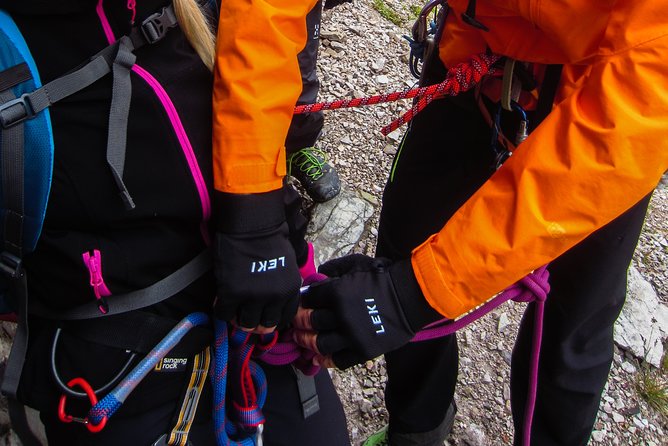
Your guide gives a safety briefing and checks that you understand the equipment. The instruction covers rope handling, cable transfers, and basic climbing technique. Several first-time climbers found that this introduction made the route feel manageable, even when the first section seemed steep.
Some guides also use a separate safety rope while you gain confidence. That extra support can be reassuring if you are new to exposed rock or uneasy with heights. You still need to work actively, but you are not left to figure out the system alone.
More Via Ferrata Routes in Italy
- Via Ferrata Cima Capi
★ 5.0 · 27 reviews - Via Ferrata Rio Sallagoni
★ 5.0 · 22 reviews - Lake Garda: Cima Capi Via Ferrata
★ 4.9 · 14 reviews
Why first-timers often get the most from it
This is a good introduction because the guide does not simply lead you up a fixed route and hope for the best. The better experience comes from matching the route to your fitness, climbing background, and comfort with heights.
One route described by a participant was graded A to C, on the easier side of the scale, yet it still provided plenty of mental work and exciting exposure. That is useful context. An easy grade does not mean a flat stroll. You may still face steep rock, awkward foot placements, and a strong sense of height.
The guides have worked with a wide mix of abilities. Marco has helped people with no prior via ferrata experience, as well as climbers with more than a decade of mountain experience. Mara has been singled out for choosing suitable routes and keeping the whole group comfortable. Alex has also adjusted plans when snow made the original route unsafe.
You should be reasonably fit and comfortable with a moderate physical outing. You do not need formal climbing experience, but you do need enough strength and balance to walk to the route and climb using your legs and arms.
Route choices around Cortina
The itinerary names a wide spread of places in and around the Dolomites. It is best understood as a selection of possible areas rather than a promise that you will visit all fourteen locations during a four-hour climb. Your guide chooses the actual route based on conditions, ability, and the day’s practical setup.
Cascate di Fanes
Cascate di Fanes refers to the Fanes waterfalls area, one of the most striking natural settings near Cortina. A route here can combine an approach walk with rock and waterfall scenery. It is a good fit if you want the mountain environment to begin before the climbing hardware comes out.
Same nerve, a different drop:
- Canyoning “Gumpenfever” – beginner Canyoningtour for everyone
★ 5.0 · 391 reviews - From Tignale, Lake Garda: Beginner-Friendly Canyoning Tour
★ 4.9 · 377 reviews - Private Tour explore Vulcano Island by Kayak & Coasteering
★ 5.0 · 338 reviews - Bagni di Lucca: Canyoning in the Cocciglia’s Gorge
★ 4.9 · 215 reviews
Funivia Faloria
The Faloria cable car area gives access to high slopes above Cortina. A lift can save approach time, but it is not included in the tour price. If your route uses a lift, confirm the cost before setting out and bring room in your budget for it.
Monte Averau
Monte Averau is among the more dramatic high mountain settings in the named route area. The rock scenery is a major attraction, though altitude and exposure can make a route here feel more serious. The exact section matters, so your guide’s route choice is important.
Parco Naturale delle Dolomiti d’Ampezzo
The nature park offers the broadest sense of the Dolomite setting: pale rock towers, open mountain views, and protected terrain around Cortina. You may find this especially appealing if you want the climbing to feel connected to a larger mountain day rather than isolated on one cliff.
Monte Sass de Stria
Monte Sass de Stria is notable for its wartime remains. Routes in this area can combine via ferrata movement with trenches and military paths from World War I. That mix gives the outing a stronger sense of place, especially if you enjoy mountain history as much as the climbing.
Giro del Nuvolau
The Giro del Nuvolau area offers a high route with broad views and changing terrain. It is the kind of setting where a short climb can feel substantial because of the surrounding rock towers and open space.
Anello del Lagazuoi
Lagazuoi is another area where climbing and wartime history meet. Old tunnels and trenches can form part of the route experience, though the precise path depends on the selected section and conditions. Bring a small light only if your guide recommends it, since the available information does not promise tunnel equipment or a specific tunnel route.
Funivia del Lagazuoi
The Lagazuoi cable car is a useful access point for high terrain. As with Faloria, the lift is not included. A lift may make a high route possible within the available time, but it adds to the final cost.
Alpe di Siusi and Val Gardena
Alpe di Siusi and Val Gardena are wider mountain areas rather than a single climbing pitch. They are known for expansive high-country views and access to different routes. Their inclusion shows how broad the guiding area is, but you should not assume the short Cortina outing will include a full excursion to every named valley.
Gardena Pass and Passo di Giau
Both passes are strong scenic locations. Passo di Giau is particularly useful as a viewpoint and route base, while Gardena Pass connects several major Dolomite valleys. If your plan centers on a particular pass, ask the operator how transport works, since private transportation is not included.
Schlern-Rosengarten and Sciliar-Catinaccio Nature Park
This nature park offers another major Dolomite setting with high rock formations and mountain paths. It is farther afield from the Cortina meeting point than the immediate local routes, so treat it as part of the wider guiding region rather than an assured stop on the four-hour activity.
Alta Badia
Alta Badia adds another broad valley area to the possible route choices. It is attractive for its mountain scenery and variety of access points, but transport time becomes an important practical question if this is the area you hope to visit.
Guide quality matters more than the route name
A via ferrata route can feel easy, exciting, or overwhelming depending on the guide’s pacing and your preparation. The most consistently praised part of this experience is the human element: clear instructions, calm decisions, and encouragement without pressure.
Marco is a particularly useful name to request if the booking system allows it. He has been described as friendly, communicative, and good at adjusting the route to the group. Luca has also been praised for a fun, clear introduction and for selecting a route with mild climbing and historic trenches.
Mara is a strong choice for a cautious beginner. Her guiding style has been described as cheerful and safety-minded, with close attention to the ability of everyone in the group. Alex has shown similar flexibility, including changing the plan after heavy September snow made the original ferrata unsafe.
Other named guides include Andrea, Max, Enrico, Robert, and Armin. The important point is not memorizing names. It is understanding what you should expect from a proper guide: a safety talk, an equipment check, an appropriate route, and permission to progress at a sensible pace.
The group limit is 20 people, though some outings have been much smaller. A small group is better for individual coaching and reduces waiting at tricky sections. If your booking is near the maximum, expect less personal attention than a private or four-person outing.
What to bring and what costs extra
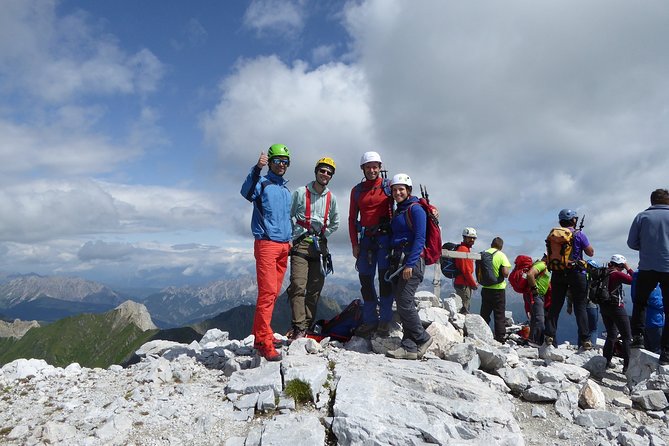
The advertised price is $167.75 per person. That is fair value if you want a guided introduction and do not yet know how to choose or manage a route yourself. You are paying for an IFMGA/UIAGM mountain guide, route judgment, instruction, and a controlled introduction to a specialized mountain activity.
The price does not include the personal kit. Helmet, harness, and via ferrata set rental is available for €15 per person. If you already have approved equipment, ask whether you may bring it, but do not assume ordinary hiking gear is enough.
Private transportation is also excluded. You meet at Cason Dei Caai, and the activity ends back there, but transport from the meeting point to the parking area or farther route areas may require separate arrangements. Skilifts are extra as well. One group paid €15 for a lift, so keep a little spare cash available.
Wear proper hiking or climbing shoes with a firm sole. One participant specifically advised against running shoes. Hiking poles may help on a snowy descent, and a guide may provide them when conditions call for it, but you should not count on every extra item being supplied.
Weather, snow, and changing the plan
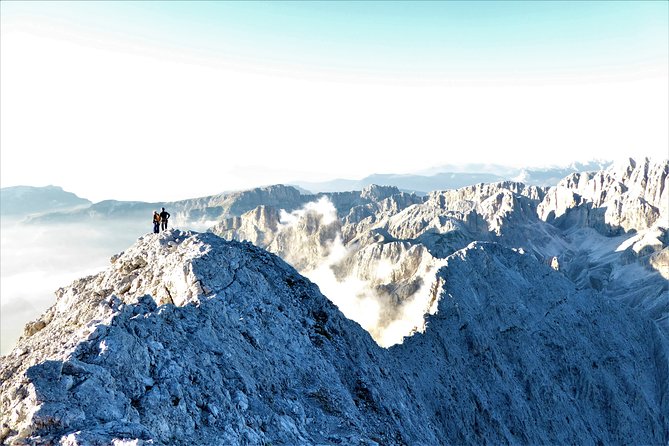
Mountain weather can alter the outing quickly. This experience requires good weather, and a cancellation caused by poor conditions brings either a different date or a full refund. If the minimum number of participants is not reached, you are offered a new date, a different experience, or a full refund.
The more useful point is that bad conditions do not always mean the day is lost. During an unusually snowy period in September, one guide moved the group to the Cinque Torri area, where the outing included a mountain lodge, World War I tunnels, and some safe via ferrata sections.
That kind of change is a reason to value a local guide. It also means you should not book with one fixed photograph in mind. Snow, wet rock, and visibility can affect the route, difficulty, and views. The safest and best day may not be the route you first imagined.
The standard cancellation policy is strict: the activity is non-refundable and cannot normally be changed after booking. Since confirmation arrives within 48 hours and is subject to availability, make sure your schedule is firm before paying.
Who should book this experience
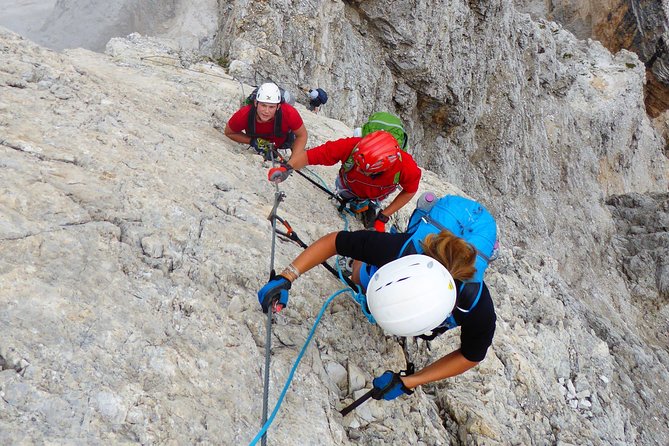
I would choose this outing if I were new to via ferrata, reasonably fit, and keen to try something more active than a marked mountain trail. It suits people who want expert instruction without committing to a full climbing course.
It also works for experienced hikers who have never used via ferrata equipment. Several people with strong hiking or climbing backgrounds still valued the briefing and route selection. The activity can provide a safe way to learn the system before attempting a longer independent route.
I would think twice if you dislike heights, have limited fitness, or want a relaxed sightseeing tour. Four hours can feel demanding when it includes a walk to the route, steep climbing, and time managing safety equipment. It is also less suitable if you need fixed transport costs, since lifts and private transfers are extra.
Should you book the Cortina via ferrata?
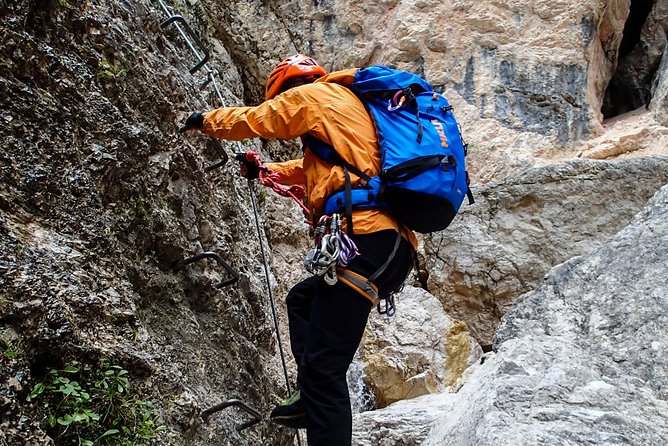
Yes, if you want a guided first taste of Dolomite climbing and can accept some flexibility. The strongest reasons are the careful instruction, the choice of routes, and the chance to combine rock climbing with mountain history and exceptional views.
Book with realistic expectations. The listed locations cover a large region, but your actual outing will be shaped by weather, access, group ability, and the guide’s judgment. Ask about the planned route, lift use, transport, and equipment before you go.
For a first attempt, I would request a guide such as Marco, Mara, Alex, or Luca if possible, bring solid hiking shoes, and budget for the €15 kit rental plus any lift charges. If you are fit, open to heights, and ready to learn, this is one of the more useful ways to begin via ferrata in the Dolomites.
FAQ
Where does the Dolomites via ferrata experience start?
It starts at Cason Dei Caai, 32043 Cortina d’Ampezzo, in the Province of Belluno, Italy.
Where does the activity end?
The activity ends back at the meeting point.
How long does the experience last?
The activity lasts approximately four hours.
Is the tour offered in English?
Yes, the experience is offered in English.
Is climbing equipment included?
No. A helmet, harness, and via ferrata set can be rented for €15 per person on request.
Are transportation and skilifts included?
No. Private transportation and skilifts are not included in the price.
Do I need previous via ferrata experience?
No previous experience is required according to the activity details and the beginner-focused instruction. You should have a moderate level of physical fitness.
How many people can join the activity?
The maximum group size is 20 people.
What happens if the weather is poor?
If poor weather causes a cancellation, you will be offered a different date or a full refund.
Fresh thrills added around Italy
- Via ferrata of the Eagles★ 5.0 · 3 reviews
- Canyoning “Summerrain” – fullday Canyoning Tour also for beginner★ 5.0 · 35 reviews
- Children Daily Ticket for Adventure Park in Gravedona★ 4.5 · 6 reviews
- Private Half Day Canyoning Tour in Gordona★ 5.0 · 5 reviews
- Adult Daily ticket for Adventure Park in Gravedona★ 5.0 · 23 reviews
- Caving adventure at the Caves of Equi Alpi Apuane★ 4.5 · 87 reviews
- Ischia Adventure Park★ 5.0 · 24 reviews
- Canyoning Liguria★ 4.5 · 35 reviews
Via Ferrata Climbing, side by side
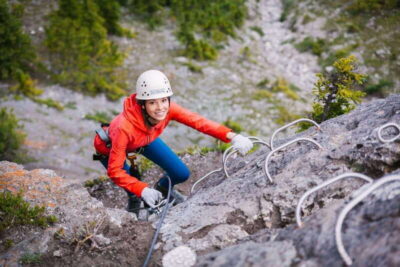
Banff: Mount Norquay 2.5 or 4-Hour Guided Via Ferrata Climb
Read our review →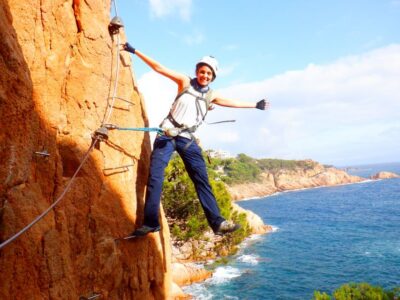
Sant Feliu de Guixols: Climb Via Ferrata Cala del Molí
Read our review →
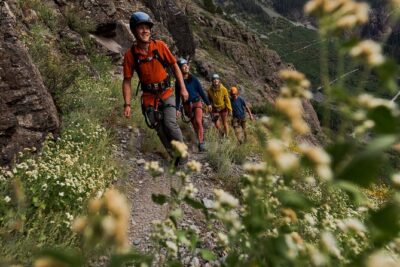
Small-Group Guided Via Ferrata Climbing with Banff’s Best Views
Read our review →
Via Ferrata in Gran Canaria. Vertical adventure park. Small groups
Read our review →Lists this trip sits in