
Review · ITALY
Lake Garda: Cima Capi Via Ferrata
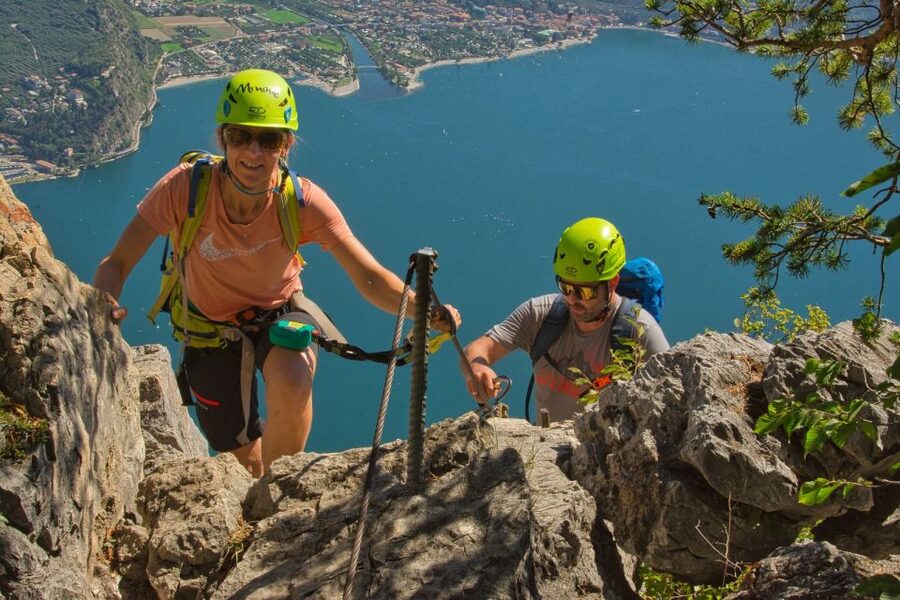
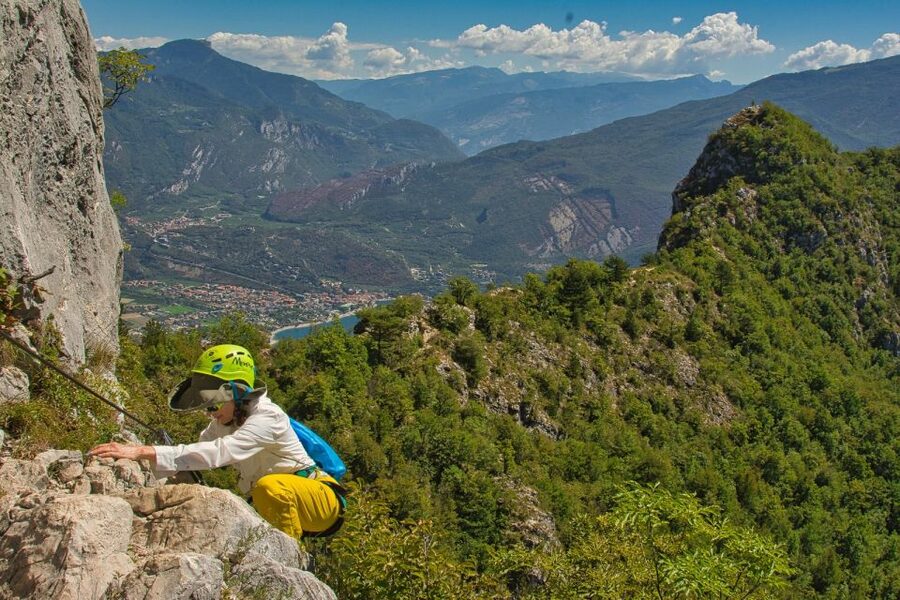
Lake Garda spreads below you as the Cima Capi via ferrata climbs along steep rock above the lake and the Sarca Valley. I like this outing for two clear reasons: the views stay with you almost the whole way, and the old First World War forts and tunnels give the return walk real character. Guides including Marco and David add personal help, photos, and local know-how.
The catch is the amount of walking. The climbing is not described as especially difficult, but reaching the cables can take about an hour, and the route requires a serious vertical effort. If you have vertigo or poor fitness, this is not the right mountain day.
Key points to know before you climb
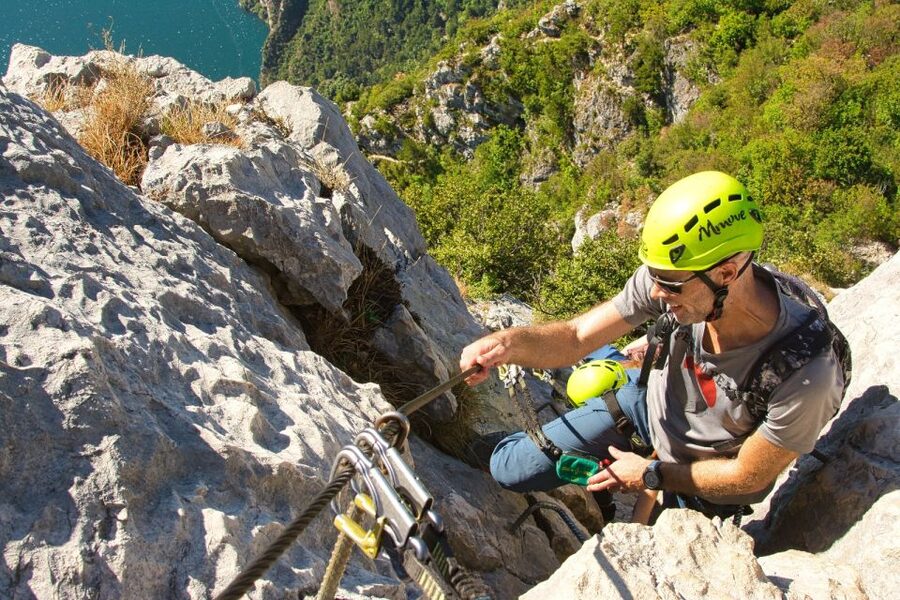
- The approach takes about an hour: You hike uphill before reaching the main via ferrata, then walk for about the same length of time on the way back.
- Lake Garda is the constant backdrop: The exposed route gives repeated views of the lake and Sarca Valley, with especially dramatic sections above vertical drops.
- The climbing is a good introduction: The via ferrata is relatively manageable technically, but its exposure and height gain still demand care and stamina.
- The return adds wartime history: Old military paths, fortifications, and tunnels built during the First World War form part of the descent.
- Bring a torch: A light is useful for exploring the dark fortifications on the return.
- Small groups matter: With no more than six participants and English or Italian guiding, you should receive close attention on the cables.
Reaching the Cima Capi via ferrata
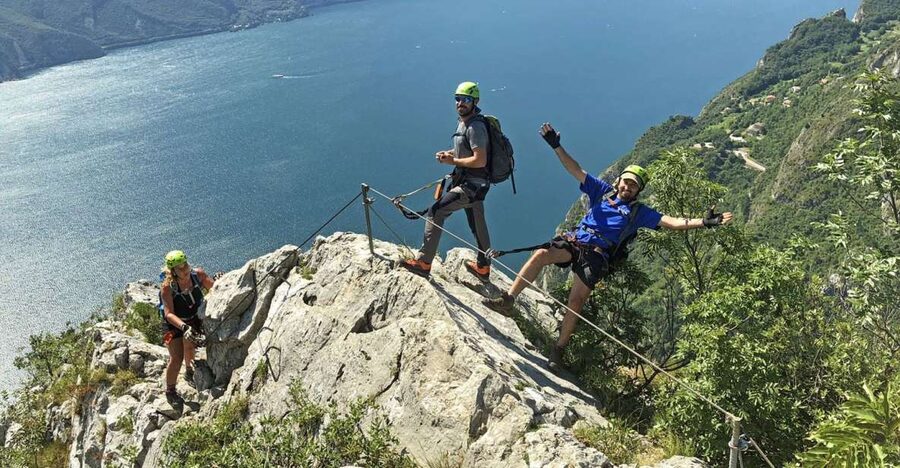
This is not a quick cable walk from the road. The day lasts about six hours, and a large part of that time goes into hiking to and from the climbing section.
You should expect roughly an hour of walking before you reach the start of the via ferrata. That approach matters when judging the difficulty. The metal cables may not involve highly technical climbing, but you are already using energy before the main ascent begins.
I like this format because the outing feels like a mountain excursion rather than a short amusement ride. You gradually gain height, leave the easy access points behind, and earn the views. The trade-off is simple: you need enough fitness to keep moving for several hours.
Wear proper hiking shoes. The route includes steep uphill walking and a protected climbing section, so casual trainers would be a poor choice. Bring water and snacks as food and drinks are not included.
More Via Ferrata Routes in Italy
- Dolomites Via Ferrata Experience
★ 5.0 · 58 reviews - Via Ferrata Cima Capi
★ 5.0 · 27 reviews - Via Ferrata Rio Sallagoni
★ 5.0 · 22 reviews
Climbing above Lake Garda
Once you reach the equipped path, you use a harness and the fixed cables to make your way toward Cima Capi. The climb is described as relatively easy in technical terms, making it a useful first via ferrata for someone who wants to try the sport without starting on a highly demanding route.
That does not mean easy in every sense. The path is exposed, and the height below can feel intense. At points, the rock falls away sharply and the views become thrilling. You need to be comfortable attaching yourself to the cable, moving carefully, and managing your pace on steep ground.
I would separate technical difficulty from physical difficulty here. You may not face complicated climbing moves, but the vertical height gain takes effort. A person who climbs indoors or has strong general fitness may still find the long approach and ascent tiring.
The small group size is useful on this kind of route. With a maximum of six participants, the guide can keep an eye on the group and offer help with the equipment and exposed sections. The available guiding languages are English and Italian.
Guides Marco and David are specifically associated with this experience. Marco is noted for being friendly and well informed, while David is praised for his guiding and for taking photographs. Since the guide may vary by date, you should not assume one particular person will lead your outing, but you can expect a live guide rather than a self-guided climb.
The views from Cima Capi
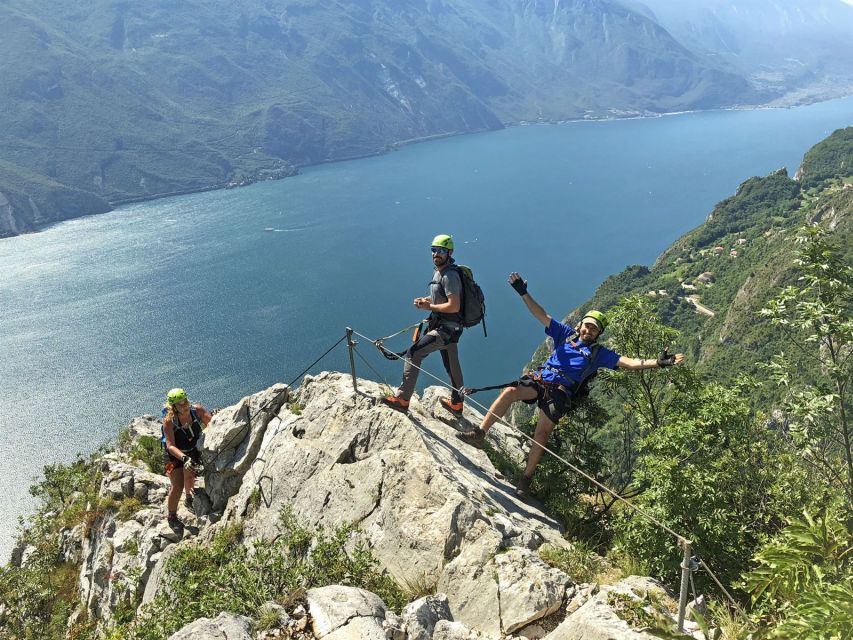
The main reward comes from the position above Lake Garda. The equipped path offers repeated glimpses of the lake, while the Sarca Valley opens below and around you.
This is not a route where you wait until the summit for one good photograph. The exposure creates changing views throughout the climb. At some points, you look across the water; at others, you see the valley and the steep rock beneath your feet.
The most dramatic sections are also the ones that require the most attention. It can be tempting to stop and look down when the rock drops away, but you should first secure your position and listen to the guide. The scenery is a major part of the day, yet the route still demands concentration.
I like the balance between movement and views. You are not simply standing at a lookout. You are working your way up the mountain, with the lake appearing through gaps in the rock. That makes the scenery feel earned.
If you are uneasy with heights, be honest about that before booking. People with vertigo are advised not to take this excursion. A strong view of Lake Garda is not worth six hours of stress if exposed rock makes you freeze.
Cima Capi and the return through wartime remains
Reaching Cima Capi marks the high point of the climb, but the day does not end at the summit. The return route passes old military positions, walkways, fortifications, and tunnels from the First World War.
These remains add a second layer to the outing. The climb gives you natural scenery and physical challenge; the return shows how the mountain was used for military purposes. The old paths and structures are not just background decoration. They explain why this high ground mattered.
The tunnels are particularly different from the climb. After spending the day in open air and sunlight, you move through darker, rougher spaces cut into the mountain. Bring a torch or headlamp. The activity specifically recommends a torch for exploring the fortifications, and a phone light may be less convenient when you need both hands.
The historical sites are best understood as part of the route, not as a separate museum visit. You should expect old military remains rather than restored rooms, formal displays, or a long guided history lecture. Their appeal comes from seeing them in place, along a mountain path above the lake.
Same nerve, a different drop:
- Canyoning “Gumpenfever” – beginner Canyoningtour for everyone
★ 5.0 · 391 reviews - From Tignale, Lake Garda: Beginner-Friendly Canyoning Tour
★ 4.9 · 377 reviews - Private Tour explore Vulcano Island by Kayak & Coasteering
★ 5.0 · 338 reviews - Bagni di Lucca: Canyoning in the Cocciglia’s Gorge
★ 4.9 · 215 reviews
How strenuous is the six-hour outing?
The supplied guidance rules out people with a low level of fitness, and that warning deserves attention. This is a full mountain day with a long approach, a vertical protected climb, and a return walk.
One useful point is that the technical climbing is considered relatively simple. The difficulty comes more from duration, height gain, exposure, and the need to stay active than from advanced climbing techniques.
You should arrive ready to walk uphill for about an hour before the cables. After the summit, you still have the return through the old military routes and tunnels. The total duration is six hours, so allow energy for the entire outing rather than treating the climbing section as the whole experience.
Good preparation is basic but important:
- Hiking shoes with a secure grip
- Sunglasses and a hat
- Sunscreen
- A jacket for changing mountain conditions
- Snacks
- A torch for the tunnels
Food and drinks are not included. Carry what you need for the day, especially snacks and water. The activity information does not specify a meal stop, so do not plan on buying lunch as part of the excursion.
What the $106 price covers
At $106 per person, this is priced as a guided mountain activity rather than a simple hike. The value comes from the guide, safety support, small group size, insurance, and access to a protected climbing route.
The experience includes a mountain guide certificate and RC liability insurance. Reviews also indicate that the climbing equipment was provided, which removes the need to arrange your own harness and related gear. You should still bring your own clothing, shoes, food, and drink.
For me, the strongest value is the combination of three activities in one day: a serious hike, a Lake Garda via ferrata, and a route through First World War remains. Booking them separately would require more planning and a good understanding of the mountain route.
The price may feel high if you only want a short scenic walk. It makes more sense if you specifically want to try a via ferrata with a guide and do not already have the equipment or route knowledge. The group limit of six also helps justify the cost, since this is not a large outing where the guide has to manage a crowd.
Who should book this experience?
I would recommend Cima Capi to an active adult who wants a first or moderate via ferrata with strong scenery. You should be comfortable hiking uphill for several hours and able to handle exposed positions above the lake.
It is a particularly good fit if you want more than a view. The old forts and tunnels give the return journey a clear purpose, and the small group allows the guide to give closer attention than you would get on a large excursion.
It is not suitable for children under 12, pregnant women, people with vertigo, or anyone with a low level of fitness. Those restrictions are sensible because the route combines height, exposure, and sustained effort.
You should also think about your attitude toward mountain weather and exertion. The supplied information does not give a weather cancellation policy or exact start point, so check the current meeting details and starting time before you commit. Availability controls the departure time.
Practical booking advice
The activity allows free cancellation up to 24 hours in advance for a full refund, and you can reserve now while paying later. That flexibility helps if you are building a Lake Garda trip around weather and other outdoor plans.
English and Italian guiding is available. The small group is limited to six people, which is ideal for a route where the guide needs to watch harness use and spacing.
The overall rating is 4.9 from 14 ratings, and the strongest praise centers on the views, well-kept route, friendly guiding, and the fact that the climbing feels approachable. I would give the views the greatest weight, but I would not ignore the repeated warning about the long hiking sections.
Should you book Cima Capi?
Book it if you want a full day of mountain effort, exposed views over Lake Garda, and a gentle introduction to via ferrata climbing. You will get more than a cable route, thanks to the First World War fortifications and tunnels on the way back.
Skip it if you want a relaxed sightseeing excursion, dislike heights, or are not ready for an hour of hiking before the climb. The technical level may be moderate, but the day is still demanding.
For the right person, the $106 price is fair. You get a guide, insurance, climbing equipment, a six-person maximum, dramatic views, and a route with real historical interest. Bring sturdy shoes, snacks, sunscreen, a jacket, and a torch, then save enough energy for the walk home.
FAQ
How long does the Cima Capi via ferrata experience last?
The activity lasts six hours. This includes the approach hike, the via ferrata climb, the summit section, and the return through old military paths and tunnels.
How much hiking is involved before the via ferrata?
The approach hike takes about one hour before reaching the start of the via ferrata. The return walk is also about an hour according to the activity information provided.
Is the Cima Capi via ferrata difficult?
The climbing is described as relatively easy from a technical viewpoint, but the route is exposed and includes substantial vertical height gain. You still need a good level of fitness.
What views will I see?
You will have views of Lake Garda and the Sarca Valley. The route remains scenic for much of the climb, with particularly dramatic views from the exposed sections above the lake.
Are climbing harnesses and equipment provided?
The activity uses a harness, and the available information indicates that all necessary climbing equipment is provided. You need to bring your own hiking shoes and personal clothing.
What should I bring?
Bring sunglasses, a hat, snacks, hiking shoes, sunscreen, a jacket, and a torch. Food and drinks are not included.
Are the First World War tunnels part of the route?
Yes. After reaching Cima Capi, you return through old walkways, military positions, fortifications, and tunnels built during the First World War.
Who guides the experience?
The excursion has a live guide in English or Italian. Guides associated with the experience include Marco and David, although the guide may depend on the date.
Who should not take this excursion?
It is not suitable for children under 12, pregnant women, people with vertigo, or people with a low level of fitness.
Fresh thrills added around Italy
- Via ferrata of the Eagles★ 5.0 · 3 reviews
- Canyoning “Summerrain” – fullday Canyoning Tour also for beginner★ 5.0 · 35 reviews
- Children Daily Ticket for Adventure Park in Gravedona★ 4.5 · 6 reviews
- Private Half Day Canyoning Tour in Gordona★ 5.0 · 5 reviews
- Adult Daily ticket for Adventure Park in Gravedona★ 5.0 · 23 reviews
- Caving adventure at the Caves of Equi Alpi Apuane★ 4.5 · 87 reviews
- Ischia Adventure Park★ 5.0 · 24 reviews
- Canyoning Liguria★ 4.5 · 35 reviews
Via Ferrata Climbing, side by side
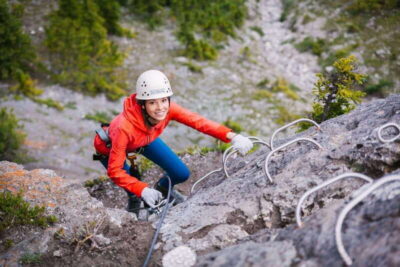
Banff: Mount Norquay 2.5 or 4-Hour Guided Via Ferrata Climb
Read our review →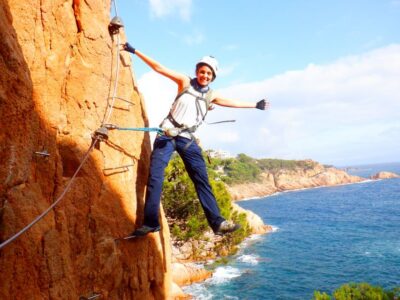
Sant Feliu de Guixols: Climb Via Ferrata Cala del Molí
Read our review →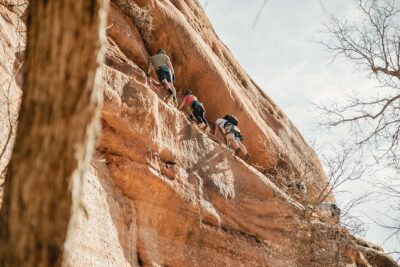
Small-Group Guided Via Ferrata Climbing with Banff’s Best Views
Read our review →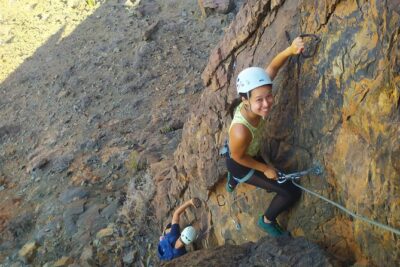
Via Ferrata in Gran Canaria. Vertical adventure park. Small groups
Read our review →Lists this trip sits in