
Review · SPAIN
Alicante: Via Ferrata del Ponoig Guided Trek and Climb
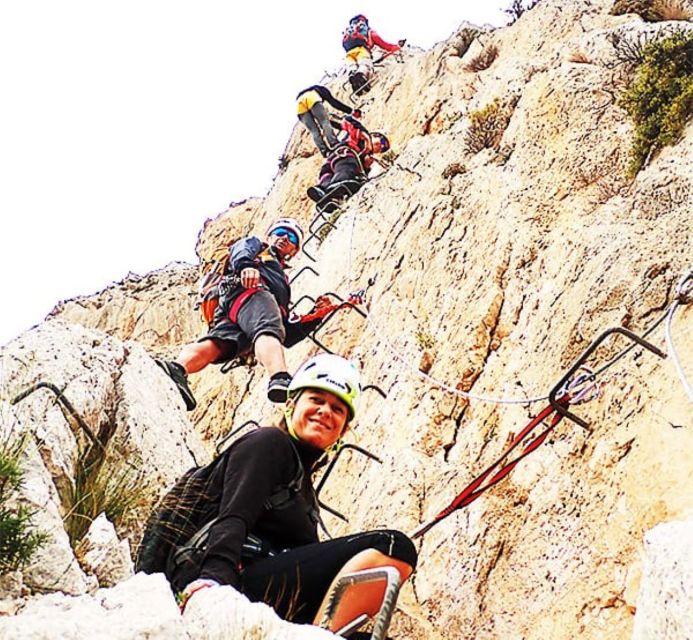
The main event here is a near-vertical climb up Via Ferrata del Ponoig, where thick metal staples help you move straight up the rock. You stay clipped to a security cable while the Valley of Guadalest, the Sierras de Aixortá and Bernia, and the Mediterranean open up below.
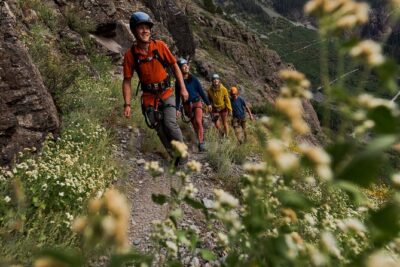
I like the small group of no more than 10 and the useful gear package, which includes a harness, helmet, Ferrata kit, and photos. I also like that you get a short climbing lesson before starting, so you are not expected to learn the system while hanging off the cliff.
The catch is the physical demand. This is a K4 route with a nearly vertical climb, so it is not suitable for people with vertigo, mobility impairments, or limited fitness. You must bring hiking shoes, water, suitable clothing, sunscreen, and food if you need it.
Key points to know before you climb
- K4 difficulty: Expect steep, exposed climbing with metal staples and a fixed safety cable.
- Five-hour outing: The main guided activity lasts about four hours, with the full experience listed as five hours.
- Practice comes first: Your guide explains wall-climbing basics before you begin the ferrata.
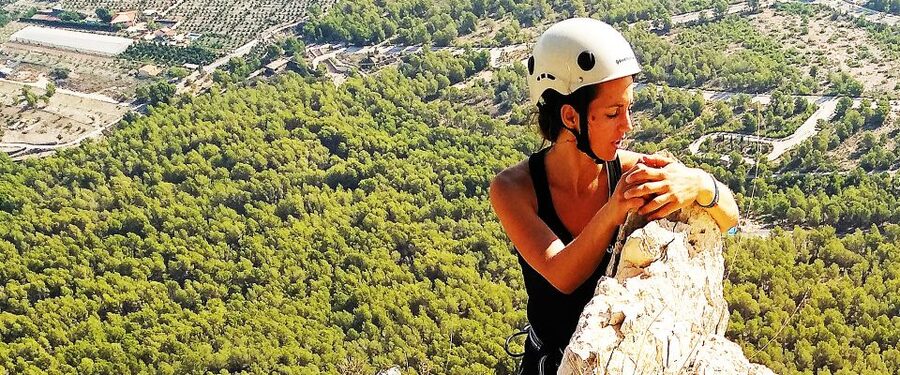
- Big mountain views: Look for the Valley of Guadalest, the Sierras de Aixortá and Bernia, and the Mediterranean coast.
- Gear and photos included: Harness, helmet, Ferrata kit, guide, and photographs are covered. Shoes, food, and drinks are not.
- Strong guide feedback: Frank and Osmar have been praised for clear instructions, patience, and a reassuring manner, though your guide may be someone else.
What the Ponoig via ferrata actually involves
A via ferrata sits between hiking and rock climbing. You follow a route fixed to the rock, using metal staples, steps, cables, and other supports. Your harness connects to a Ferrata kit, allowing you to clip into the safety cable as you climb.
That sounds simple, but the experience still demands steady movement and a cool head. On this route, you climb directly up the rock rather than simply walking along a mountain path. The height and exposure are part of the appeal, and also the reason the activity is rated K4.
You do not need to arrive as a technical climber. The guide teaches the basic wall-climbing method before the ascent begins. Still, instruction does not remove the need for strength, balance, and comfort with heights. You should be ready for a serious half-day outdoors, not a gentle scenic walk with a few steps.
The route’s best reward is the changing view. At the start, your attention will be on the harness, cable, and staples. As you gain height, the rock face places you above the surrounding countryside, with long views toward the Valley of Guadalest, the Sierras de Aixortá and Bernia, and the Mediterranean coast.
More Via Ferrata Routes in Spain
- Sant Feliu de Guixols: Climb Via Ferrata Cala del Molí
★ 5.0 · 253 reviews - Gran Canaria: Guided Via Ferrata Excursion
★ 4.9 · 198 reviews - Via Ferrata in Gran Canaria. Vertical adventure park. Small groups
★ 5.0 · 183 reviews
Meeting at Parking Vía Ferrata Ponoig
You meet the guide at Parking Vía Ferrata Ponoig, where the guide will hold a visible sign. This is an important detail because the experience does not begin with a pickup from a central city location. You need to arrange your own way to the stated parking area.
The supplied information uses Alicante in the activity title and refers to the Alicante area in the feedback, while the location line also says Andalusia. Because those details do not match perfectly, check the confirmed meeting point and driving directions before paying. The named parking area is the detail that matters most on the day.
Arrive ready to get moving. Bring hiking shoes, water, and clothing suited to the weather. Food and drinks are not included, so pack something practical if you will want a snack during a five-hour outing. One past participant specifically advised carrying a small rucksack, plenty of water, sunscreen, and a few sweets.
There is no suggestion that shoes are supplied, and the details clearly say they are not included. Do not arrive in casual trainers if your footwear is poor on rock. Hiking shoes are on the required packing list for good reason.
Gearing up and learning the basics
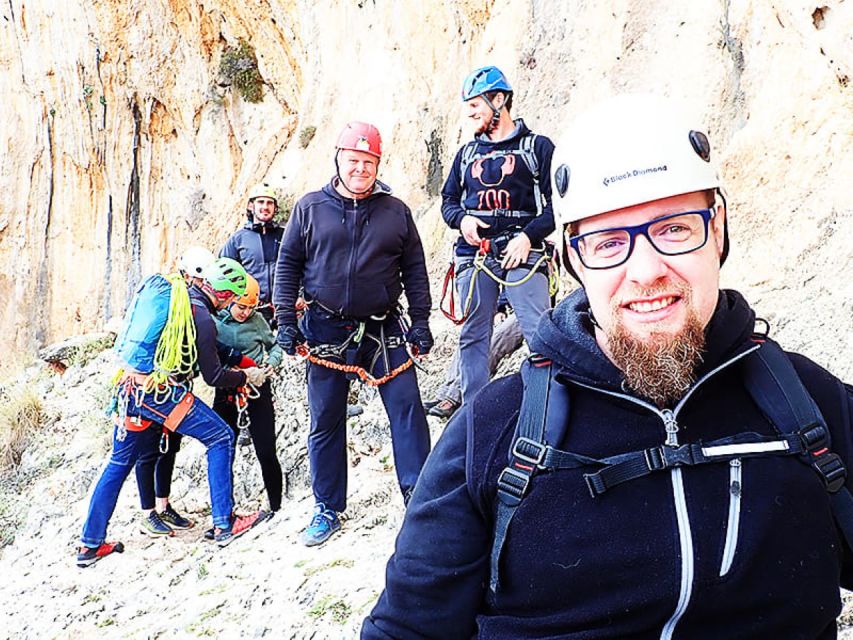
At the base of the route, you put on the supplied harness, helmet, and Ferrata kit. The guide then covers the basic climbing method and gives you a chance to practice on a rock wall before the main ascent.
This short introduction is one of the most useful parts of the outing. A beginner can learn how the clips work, how to move along the cable, and how to use the metal staples without also dealing with the highest part of the route. You should pay close attention here. Once you are on the face, a clear routine makes the climb feel far more manageable.
The equipment is included in the $65 price, which improves the value for anyone who does not own via ferrata gear. A guide is also included, along with photographs. You are paying for instruction, supervision, equipment, and a half-day mountain activity rather than simply access to a trail.
The group size is limited to 10 people. That is not a private tour, but it is small enough for the guide to keep track of the group and respond to questions. The exact pace can still depend on the other climbers. A mixed group may move more slowly than a strong climber expects, but that is generally preferable to rushing on an exposed route.
Climbing the metal staples on a K4 route
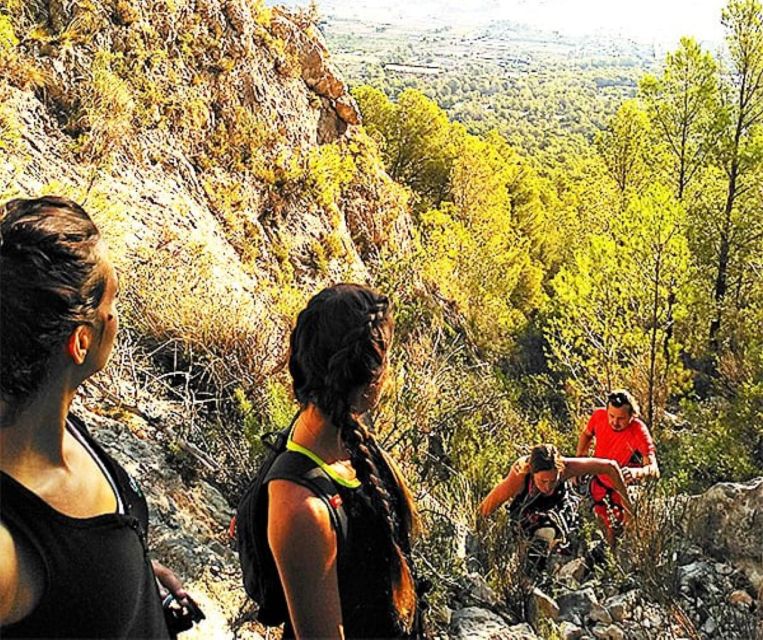
Once the guide is satisfied that you understand the system, you begin moving upward. The rock contains thick metal staples that act as footholds and handholds. A new security cable gives you a continuous line to clip into as you progress.
The physical rhythm is straightforward: find the next staple, keep your body balanced, manage your clips, and continue upward. The mental side is less predictable. A nearly vertical route can feel very different from a normal hike, especially when you look down or reach a more exposed section.
You should not expect a relaxed stroll. The activity description calls the climb significant physical work, and the K4 category backs that up. This is best for adults who can handle a sustained climb and are comfortable using their arms and legs on steep rock.
The guide’s role matters here. Feedback about Frank highlights his calm approach and the right amount of English for the group. Osmar is praised for patience and clear explanations. These comments point to the qualities you want: simple safety instructions, a steady pace, and encouragement without pressure. The named guides may not be assigned to your departure, so treat them as examples of the provider’s praised guide style rather than a promise.
The route is guided in Spanish and English. If you need instructions repeated, ask early. Safety systems work best when everyone understands the next step before moving.
Same nerve, a different drop:
- Barcelona Costa Brava Kayak, Snorkel & Cliff Jump Day Tour
★ 5.0 · 3,872 reviews - Barcelona: Costa Brava Kayak, Snorkel & Cliff Jump & Lunch
★ 4.9 · 2,391 reviews - Mallorca: Quad Bike Tour, Snorkeling, and Cliff Jumping
★ 4.8 · 2,294 reviews - From Marbella: Guadalmina River Guided Canyoning Adventure
★ 4.9 · 1,486 reviews
Views over Guadalest and the Mediterranean
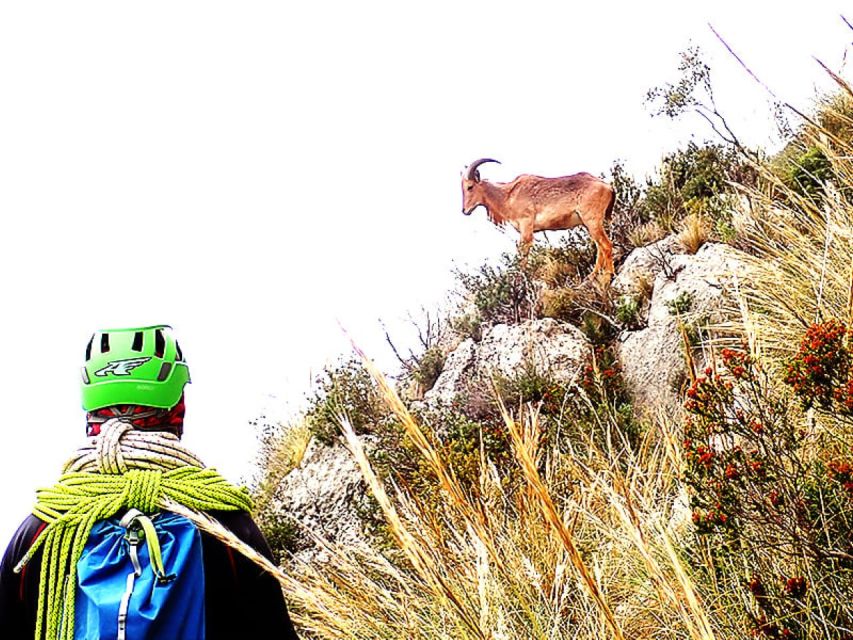
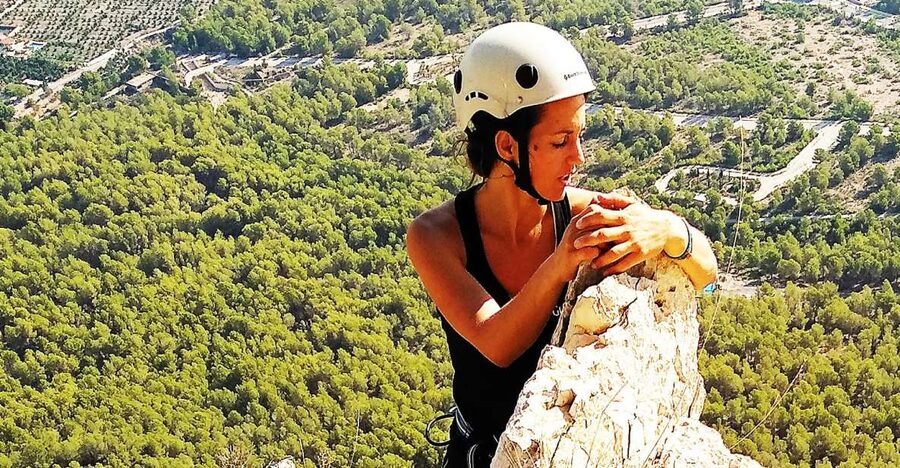
The scenery is not a backdrop added after the climb. It is the reason this particular rock route is worth the effort. From the ferrata, you look across the Valley of Guadalest and toward the Sierras de Aixortá and Bernia. The Mediterranean coast provides a broad blue horizon when conditions allow.
At ground level, you see a mountain setting. On the staples, you see how the valleys and ridges fit together. That change in viewpoint is the signature pleasure of a via ferrata. You earn the panorama one section at a time rather than reaching it by car or a simple lookout walk.
The views also give you natural pauses. You may find yourself stopping briefly to take in the valley, catch your breath, or let another climber clear a section. Do not let the scenery pull your attention away from your clips and footholds. The safest habit is to finish each movement before looking around.
Sun and heat can make a substantial difference. The required packing list includes weather-appropriate clothing and water, and the practical advice from a past outing adds sunscreen. There is no included food or drink, so you are responsible for keeping yourself hydrated and fueled.
How the five-hour schedule works
The full activity is listed at five hours, with the guided tour and safety briefing shown as about four hours. The difference likely allows time for meeting, gearing up, instruction, the route, photographs, and returning to the parking area, but the exact timing can vary.
The outing begins and ends at Parking Vía Ferrata Ponoig. There is no separate destination transfer described. That makes the plan simple once you reach the meeting point: park, meet the guide, climb, and return to the same place.
Do not schedule a tight appointment immediately afterward. Mountain activities can run at different speeds depending on the group, weather, and time spent explaining the safety system. A five-hour booking should be treated as a half-day commitment, not a precise four-hour appointment.
The guide provides photographs, which is a welcome touch on a route where taking your own pictures can be awkward. You should still keep your attention on the climb. The best image is not worth fumbling with your equipment.
Is $65 a fair price?
At $65 per person, this is a good value if you need the equipment and want a guided introduction to via ferrata. The price includes a climbing guide, safety gear, photographs, and roughly five hours of activity. Buying or renting the harness, helmet, and Ferrata kit separately could make an unguided outing less attractive, especially for a first attempt.
The value is also tied to the group size. With no more than 10 participants, you are not paying for a large commercial crowd experience. You receive a guide-led route with instruction and safety support, though you should not expect the personal attention of a private climb.
The price does not cover hiking shoes, food, or drinks. Those are easy costs to overlook when comparing tours. If you already own suitable footwear and carry your own water and snacks, the listed rate remains simple. If you need to buy gear or transport to the parking area, budget beyond the advertised price.
Free cancellation up to 24 hours before the activity and the option to reserve now and pay later add useful flexibility. That matters for an outdoor booking, since your plans may change. You should still check the weather and your own readiness before committing to the climb.
Who should book this climb?
I would recommend it to an adult who wants a real physical challenge with professional safety support. It suits a fit beginner who is curious about climbing but does not want to learn alone. It also suits an experienced climber looking for a guided route with strong views in the Alicante area.
The practice session makes the activity more approachable for newcomers. The K4 rating makes clear that approachable does not mean easy. You should be comfortable with a near-vertical ascent, metal footholds, a fixed cable, and the sensation of height.
This is not suitable for children under 18, pregnant women, people with mobility impairments, or people with vertigo. Those restrictions are not minor footnotes. If heights make you freeze, the fixed cable may provide physical security but will not necessarily make the exposure comfortable.
Language should be manageable for most English-speaking participants, since Spanish and English guides are available. The examples of Frank and Osmar suggest that patient explanations are a strong part of the experience, but guide assignments can change.
Practical packing advice
Keep your kit light. You need enough water for a strenuous half-day, weather-appropriate clothing, and hiking shoes. Add sunscreen and a snack or lunch because food and drinks are not included.
A small rucksack is more useful than a large one on a route where your body needs room to move. Bring only what you can carry securely. Loose items can become a nuisance when you are handling the cable and staples.
Check the forecast before leaving. The activity requires outdoor clothing and significant physical effort, so heat, wind, or poor conditions can affect comfort. The provider offers cancellation up to 24 hours before the activity, which gives you some room to reconsider if your plans change.
At the meeting point, look for the guide holding a visible sign. Keep the confirmation details available, especially because the location information should be checked carefully before you set out.
Should you book Via Ferrata del Ponoig?
Book it if you want an active half-day rather than a passive viewpoint. The combination of a K4 route, included safety gear, a practice session, a small group, and wide views toward Guadalest and the Mediterranean gives the $65 price real substance.
Skip it if you dislike heights, need an easy walk, lack proper shoes, or are looking for a relaxed family activity. The climb is nearly vertical and physically demanding, even with a guide.
For the right person, this is a strong choice: a structured first step into via ferrata, or a scenic guided climb for someone who already enjoys rock and mountain routes. Pack water, sunscreen, a small rucksack, and sensible footwear, then arrive ready to work for the view.
FAQ
Where does the Via Ferrata del Ponoig experience meet?
You meet the guide at Parking Vía Ferrata Ponoig. The guide will be holding a visible sign.
How long does the activity last?
The full experience lasts five hours. The guided tour and safety briefing are listed as about four hours, with the activity returning to the parking area.
What equipment is included?
The guide provides a harness, helmet, and Ferrata kit. A climbing guide and photographs are also included.
Do I need to bring climbing shoes?
Shoes are not included. You should bring hiking shoes, along with water and clothing suited to the weather.
Is the route suitable for beginners?
The guide teaches basic wall-climbing skills and lets you practice before starting. However, the route is rated K4 and involves a nearly vertical climb with significant physical activity, so beginners still need to be comfortable with heights and strenuous movement.
Is the tour offered in English?
Yes. Live guiding is available in Spanish and English.
Who should not take part?
The activity is not suitable for pregnant women, people with mobility impairments, people with vertigo, or children under 18.
More Hiking Trips in Spain
- Estany d’en Mas: Coastal Hike, Abseil & Sea Cave Exploration
★ 4.9 · 162 reviews - Malaga: Via Ferrata Hike at village of El Chorro
★ 5.0 · 20 reviews - Alicante: Via Ferrata Hike in Redovan
★ 5.0 · 8 reviews - Matacanes : Canyoning + Hiking + Water Jumps + Rappel + Caves
★ 5.0 · 1,497 reviews
Fresh thrills added around Spain
- Mallorca Coasteering Adventure★ 3.0 · 2 reviews
- From Estepona: Guided Via Ferrata Adventure in Benalauría★ 5.0 · 8 reviews
- From Marbella: Guided Canyoning Tour in Sima del Diablo★ 5.0 · 2 reviews
- From Estepona: Guided Canyoning Tour on the Guadalmina River★ 5.0 · 51 reviews
- Private canyoning adventure in the Buitreras Canyon★ 5.0 · 23 reviews
- Guided Canyoning Adventure Near Marbella (Benahavís River Walk)★ 5.0 · 116 reviews
- Try adventure, try coasteering – North coast★ 5.0 · 7 reviews
- Coasteering Cliff jumping★ 5.0 · 27 reviews
Via Ferrata Climbing, side by side
Banff: Mount Norquay 2.5 or 4-Hour Guided Via Ferrata Climb
Read our review →
Sant Feliu de Guixols: Climb Via Ferrata Cala del Molí
Read our review →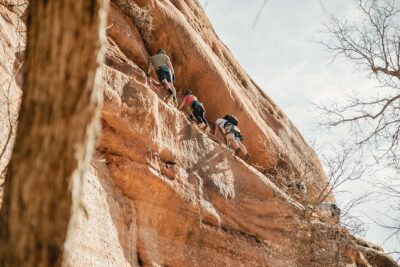
Small-Group Guided Via Ferrata Climbing with Banff’s Best Views
Read our review →
Via Ferrata in Gran Canaria. Vertical adventure park. Small groups
Read our review →Lists this trip sits in