
Review · AUSTRIA
Ötztal: Via Ferrata Climbing at Stuibenfall
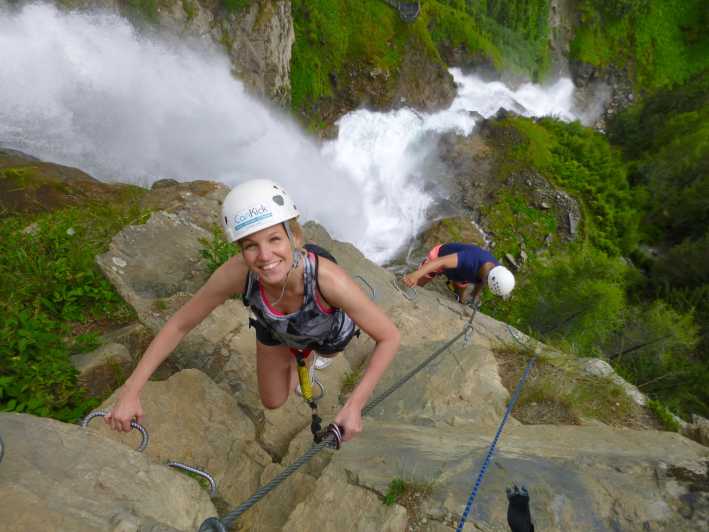
Stuibenfall turns a standard mountain outing into something far more memorable: you climb a 220-meter rock face beside a waterfall, with spray, steel bridges, and open views around you. The route is carefully fitted with many metal brackets, so you have plenty of help for your feet and hands, but this is still a real climbing activity, not a scenic walk with a harness.
I like the strong safety setup, including a certified guide, quality harness, and a full briefing before you start. I also like the ending: photos, a celebratory drink, and a hot shower make this feel like a complete half-day experience rather than four hours of effort followed by a hurried goodbye. The main consideration is difficulty. Some sections reach grade C, so first-time climbers may feel challenged and should not assume that not too difficult means easy.
Key points to know before you book
- The route climbs directly beside Stuibenfall: You cross steel rope bridges and pass a waterfall on a 220-meter rock face.
- Grade C sections require real effort: The many brackets help, but you still need confidence with heights and basic physical fitness.
- The guide controls the safety side: You receive a detailed briefing and use a certified guide, harness, and rope equipment.
- Photos are available for an extra charge: The digital photo copy service is free, but the pictures cost €10 per group.
- The finish is unusually comfortable: Return to base for an after-tour schnapps and a hot shower, with swimming also listed as part of the post-climb experience.
- The four-hour schedule includes transport: A minibus takes you from the base to the route entrance and brings you back afterward.
Why Stuibenfall makes this climb special
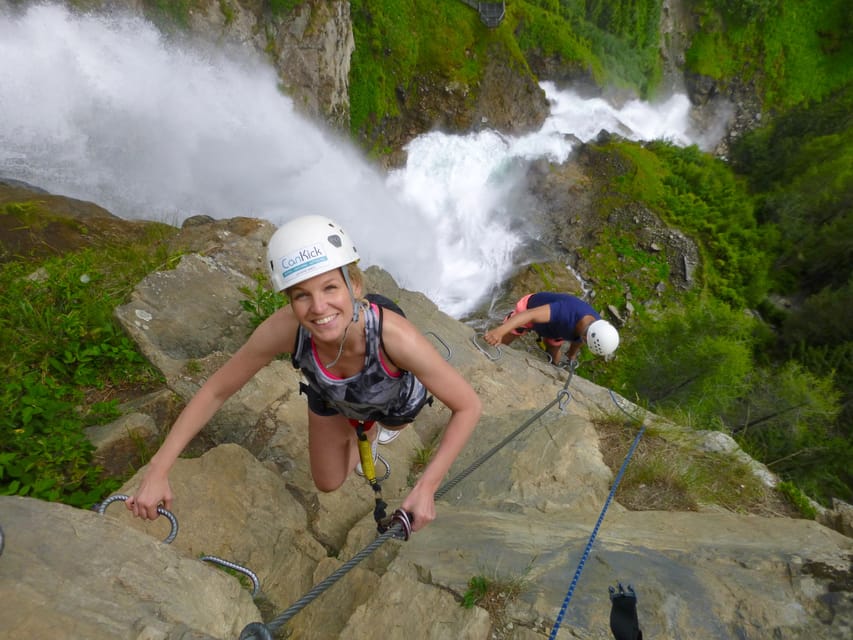
Many via ferrata routes offer mountain views. This one adds a waterfall as your constant companion. Stuibenfall gives the climb a clear visual focus, and the route takes you directly beneath the falling water rather than sending you across a dry rock wall.
That matters because the setting changes the mood at every turn. You are not simply clipping onto a cable and working upward. You are watching water drop beside the rock, crossing exposed steel bridges, and seeing the Tyrolean scenery open around you as you gain height.
The rock face rises about 220 meters, enough to make the finish feel earned without turning the activity into a full-day mountaineering project. I like that balance. You get a proper sense of height and exposure, but the outing still fits into a four-hour block.
The route also has a practical advantage: it is well laid out and fitted with many brackets. Those metal footholds give you places to step and pull, which is especially helpful if this is your first via ferrata. Still, the brackets do not remove the need for balance, strength, and calm decision-making. You remain attached to the safety cable, but you are actively climbing.
More Via Ferrata Routes in Austria:
- Ötztal: Via Ferrata Climbing Tour at Lehner Waterfall
★ 5.0 · 16 reviews - Banff: Mount Norquay 2.5 or 4-Hour Guided Via Ferrata Climb
★ 4.9 · 305 reviews - Sant Feliu de Guixols: Climb Via Ferrata Cala del Molí
★ 5.0 · 253 reviews
Meeting at the base and getting ready
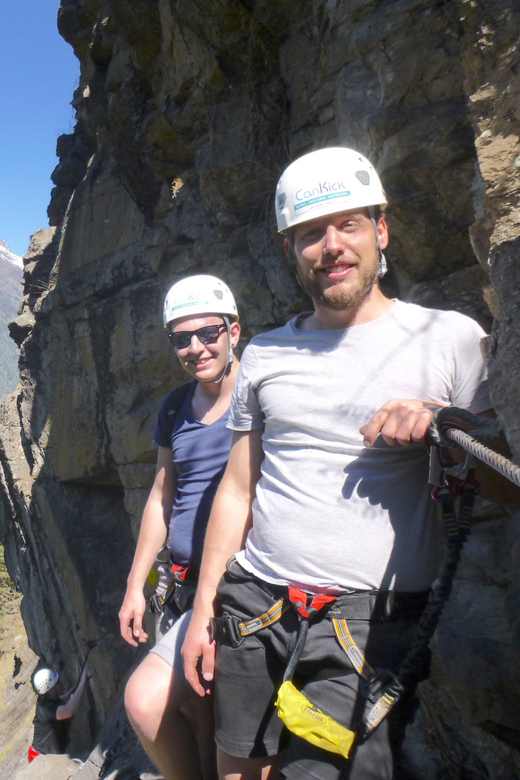
The experience starts at the base, where you meet the Cankick GmbH team. From there, a minibus transfers you to the via ferrata entry point. That short ride is useful because it keeps the outing organized and avoids making you sort out your own way to the start of the route.
Before anyone clips in, the guide gives a detailed safety briefing. Pay close attention here. You will be shown how the harness and rope system works, and this is the moment to ask questions if the equipment or route feels unfamiliar.
The tour operates in German and English. The guide team has included people such as Alex, Tini, and Petzi on different outings, and the available feedback repeatedly points to careful instruction and a reassuring manner. A German-speaking father and son group, for example, changed plans because of bad weather and ended up canyoning with Petzi’s group instead. That does not describe this exact route, but it gives you a useful sense of the company’s outdoor setup and guide experience.
You should arrive ready to move. Hiking shoes or sports shoes are listed as required items. Choose footwear with a secure fit and a sole that feels dependable on rock and metal footholds. The supplied information does not specify whether special clothing or water protection is provided, so pack according to the weather and expect conditions near a waterfall to feel different from those at the base.
Climbing the 220-meter rock face
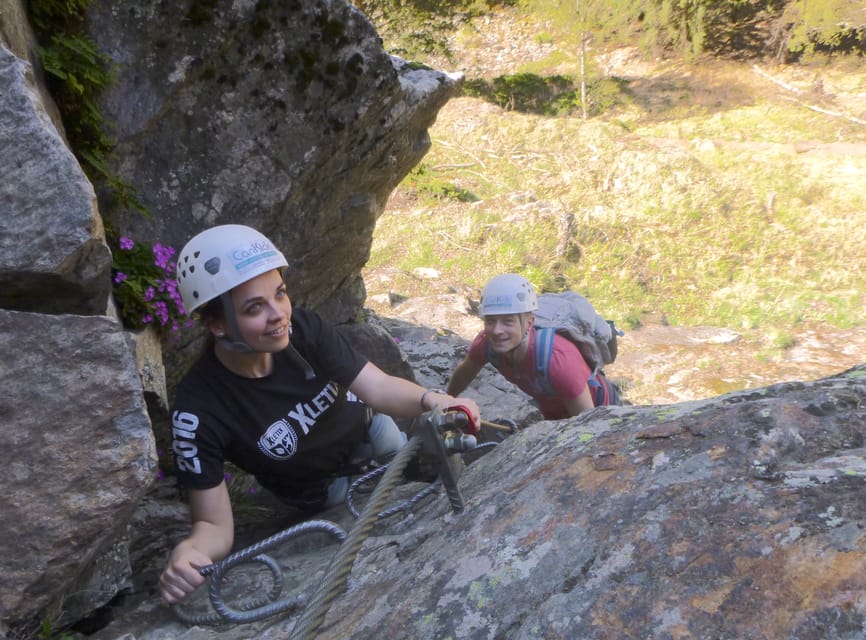
Once the safety briefing is over, you start up the route beneath Stuibenfall. The protected cable runs along the rock, and you use the brackets to gain height while staying connected to the system.
The early part of a climb like this is often about finding your rhythm. Clip, step, check your balance, and continue. The guide helps set the pace and remains available when a section feels awkward. You do not need to invent a route across blank rock, since the fixed cable and brackets show you where the line goes.
That design makes the experience accessible to people who have never climbed a traditional rock route. You are not expected to bring climbing equipment or know advanced rope work. The guide supplies the harness and rope material and handles the safety structure.
Accessible does not mean effortless. One detailed account describes grade C portions that the climber would not have attempted without a climbing assist. That is the most useful warning for anyone comparing this with a gentle beginner activity. If heights make you freeze, or if pulling yourself onto a metal bracket sounds unpleasant, you should think carefully before booking.
You will also need to keep moving with care. The waterfall setting is the point of the route, but spray and wet surroundings can make the climb feel more intense. The provided information does not promise dry conditions, so your footwear and comfort with changing conditions matter.
Bridges, waterfall crossings, and the best views
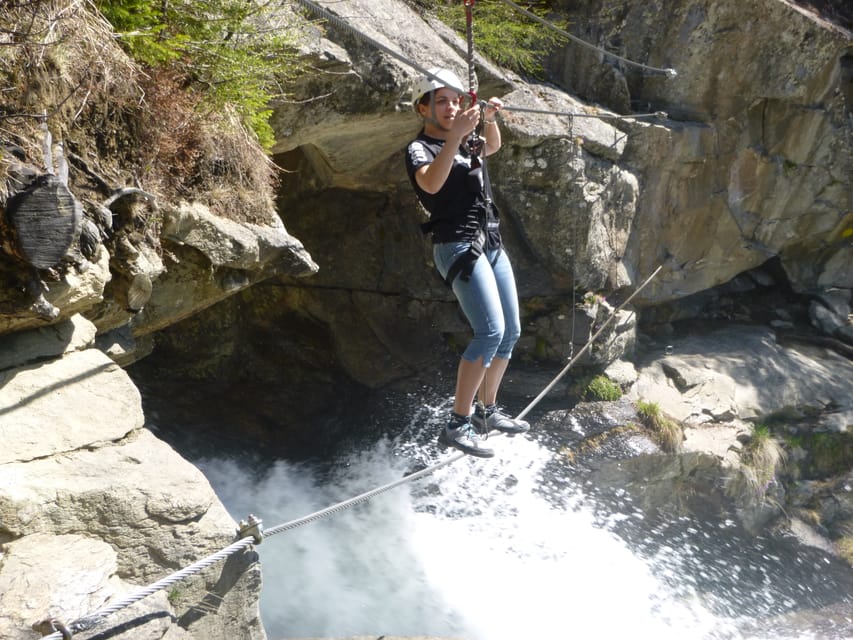
The steel rope bridges are among the most distinctive parts of the route. They add movement and exposure in a way that ordinary ladders or brackets cannot. Crossing a bridge above or beside falling water gives you a short burst of adrenaline, then the route brings you back to the rock.
You will also cross a waterfall. This is the moment that separates the experience from a standard climbing wall or dry via ferrata. The water is not just something you see in the background. It becomes part of the route itself.
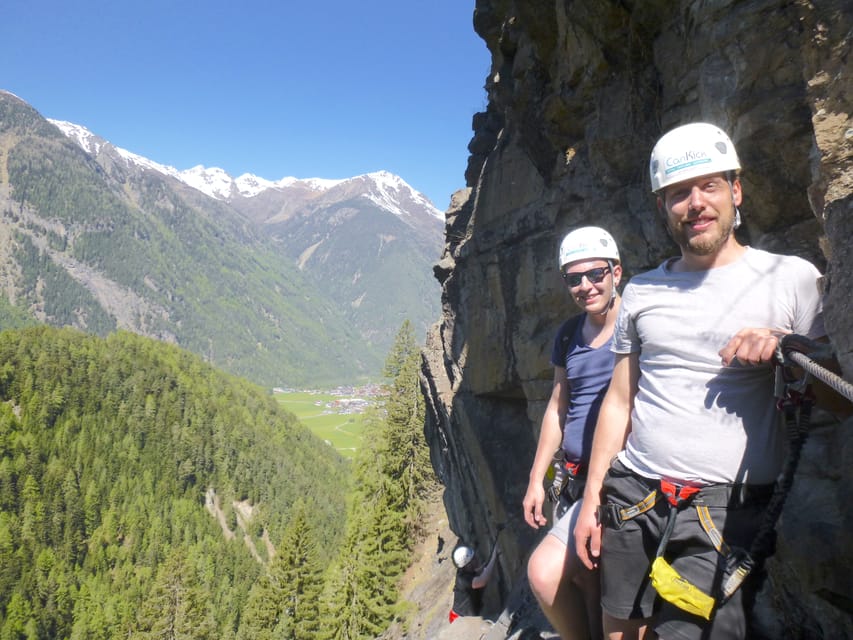
Take in the views when the route gives you a stable place to pause. The rock face puts you at a height where the waterfall and surrounding Tyrolean scenery can be appreciated together. I would not expect a quiet sightseeing stop, though. Your attention needs to stay on your feet, the cable, and the next move.
This is also where the guide’s camera becomes useful. The guide takes photos while you climb, so you do not need to risk handling your own phone on the route. The digital photo copy service is free, but the actual pictures cost €10 per group. Clarify how the photo package works before you start if the images matter to you, since the free service and paid pictures are easy to confuse.
More adrenaline activities around Austria:
- Salzburg: 4-Hour Guided Canyoning Trip for Beginners
★ 4.6 · 57 reviews - Ötztal: Canyoning at Alpenrosenklamm for Beginners
★ 4.8 · 54 reviews - Ötztal: Beginners Canyoning Experience
★ 4.8 · 48 reviews - Canyoning for Kids and Families in Füssen, Germany
★ 5.0 · 28 reviews
What the guide adds to the experience
A fixed cable gives you physical protection, but the guide provides the human part of the safety system. The detailed briefing, route explanations, and support on harder sections can make the difference between feeling focused and feeling overwhelmed.
The available feedback gives particular weight to the guides. Alex is described as professional and clear in his explanations, while Tini is credited with making an outing especially enjoyable. Petzi’s group received praise for combining experience with a relaxed team atmosphere. Guide names can change, of course, but these examples show the qualities to value: clear instructions, patience, and control of the group.
The guide also takes your photo and poses with you after the climb. That small moment matters. By the time you reach the end, you will probably want proof that you really crossed the bridge and climbed beside the waterfall. You can enjoy the route without trying to be your own photographer.
Group size is not specified in the supplied information. One account refers to a six-person team in a related Cankick outing, but you should not treat that as the standard size for this via ferrata. Ask the operator if group size is important to you.
The reward at base: schnapps, shower, and swim
After completing the route, you return to the minibus and head back to base. The experience then shifts from effort to recovery, with an after-tour schnapps and a hot shower included.
I like this ending because it acknowledges the practical side of outdoor activities. A shower is not a glamorous extra, but after a climb beside a waterfall it can be exactly what you want. The supplied information also mentions a swim after the route, so bring that possibility into your planning, though the included items specifically list the drink rather than a swimming service.
The schnapps is a traditional, celebratory finish. It is not the reason to book the activity, but it gives the outing a social close. You complete the climb, warm up, and have a moment to talk through the best bridge, hardest bracket, or wettest section.
If you do not drink alcohol, the main value of the ending is still the shower and the chance to change gears before continuing your day. The exact nonalcoholic alternatives are not stated, so ask at the base if that matters to you.
Is $106 a fair price?
At $106 per person, this is not a bargain-priced walk. The value comes from the package around the climb: minibus transport to and from the route, a certified guide, harness and rope equipment, a safety briefing, an experience certificate, the after-tour drink, and the post-climb shower.
You are also paying for a route that would be difficult to organize independently. The equipment and fixed safety system are already in place, and the guide manages the route. For a first via ferrata, that support is worth more than simply paying for access to a rock face.
The photos are the one extra cost to remember. The digital copy service is free, but the pictures cost €10 per group. If you are comparing the price with other activities, include that possible add-on only if you want the images.
The four-hour duration makes the price easier to justify for visitors with limited time in Tyrol. You get transport, instruction, climbing, photography, and a proper finish in one half-day. I would consider it good value for an active visitor who wants a guided experience rather than a self-led outing.
Who should book this via ferrata?
I would recommend it to adults and older children who are comfortable with heights, can manage a physical climb, and want something more active than a sightseeing stop. It suits first-time via ferrata participants who want a structured introduction, especially because the route has many brackets and the guide explains the equipment.
It also works well for a small group of friends or family members with similar fitness levels. The setting gives everyone something to talk about, and the photos help preserve the shared experience.
I would be more cautious if your group includes mixed abilities. One confident climber may find the route manageable while another person struggles with the grade C sections. The guide can provide assistance, but this is not a passive attraction where everyone simply rides upward.
The activity is not suitable for pregnant women or people with mobility impairments. Hiking shoes or sports shoes are required, and you should be ready for a route that includes bridges, waterfall crossings, and a 220-meter ascent on rock.
Bad weather can affect plans. A related Cankick outing changed from via ferrata to canyoning because of poor conditions, so stay flexible and ask the operator what happens if the weather turns. The booking terms allow free cancellation up to 24 hours before the activity for a full refund, and you can reserve now and pay later.
Should you book the Stuibenfall climb?
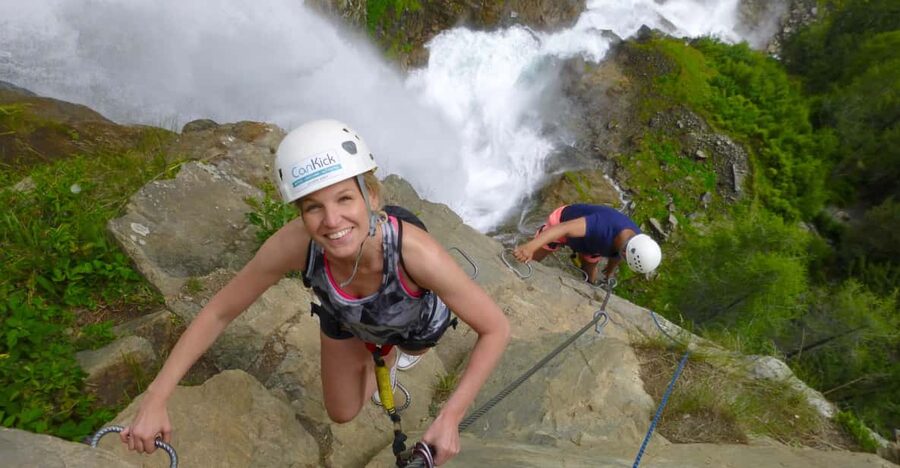
Book it if you want a genuine Tyrolean adventure with a strong sense of place. The waterfall is not decoration here. You climb beside it, cross steel bridges, and feel the height of the rock face while a guide manages the technical side.
I especially like the combination of challenge and support. The route is fitted with many brackets, yet grade C sections keep it from feeling like a simple tourist stroll. Finish with the photos, schnapps, hot shower, and possible swim, and you have a well-shaped four-hour outing.
Skip it if you dislike heights, cannot manage a physical climb, or need a fully accessible activity. For everyone else, $106 is a reasonable price for a guided route with equipment, transport, and a memorable waterfall setting. Just bring proper shoes, take the briefing seriously, and treat the photo charge as a possible extra.
FAQ
How long does the Stuibenfall via ferrata experience last?
The activity lasts four hours, including the transfer to the route, safety briefing, climb, return to base, and post-tour finish.
Where does the experience take place?
It takes place at Stuibenfall in Tyrol, Austria, with the route climbing beneath and beside the waterfall.
How high is the rock face?
The route follows a rock face that rises about 220 meters.
Is a guide included?
Yes. A certified guide is included, and the tour is offered in German and English.
Is transport included?
Yes. A minibus transfer from the base to the via ferrata entry point and back is included.
What equipment is provided?
A high-quality harness and rope material are included. You also receive a safety briefing before climbing.
What shoes should I bring?
Bring hiking shoes or sports shoes.
Are photos included?
The guide takes photos during the experience. The digital photo copy service is free, but the pictures cost €10 per group.
What happens after the climb?
You return to base for an after-tour drink and a hot shower. Swimming is also listed as part of the post-climb experience.
Who should not take part?
The activity is not suitable for pregnant women or people with mobility impairments. You should also consider the grade C sections if you are uncomfortable with heights or physical climbing.
Fresh thrills added around Austria
- Schwarzwasserbach: Canyoning in Austria’s Kleiwalsertal★ 5.0 · 5 reviews
- Salzburg: Advanced Canyoning on the Strubklamm★ 4.9 · 6 reviews
- Salzburg: Canyoning and Rafting Experience with Lunch★ 4.6 · 18 reviews
- Salzburg: Canyoning Trip to Salzkammergut★ 5.0 · 10 reviews
- Ötztal: Via Ferrata Climbing Tour at Lehner Waterfall★ 5.0 · 16 reviews
- Ötztal: Obere Auerklamm Canyoning Tour for Beginners★ 5.0 · 14 reviews
- Ötztal: Canyoning “Wildwater XL”★ 5.0 · 4 reviews
- Oetztal: Canyoning “ClearWater”★ 5.0 · 4 reviews
Via Ferrata Climbing, side by side
Banff: Mount Norquay 2.5 or 4-Hour Guided Via Ferrata Climb
Read our review →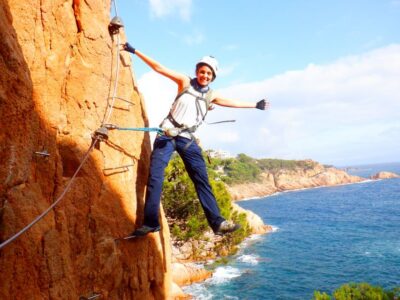
Sant Feliu de Guixols: Climb Via Ferrata Cala del Molí
Read our review →
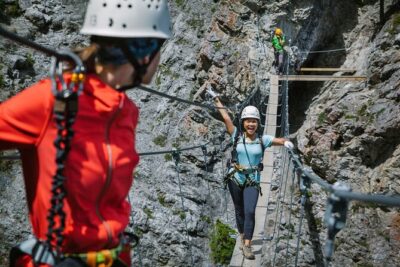
Small-Group Guided Via Ferrata Climbing with Banff’s Best Views
Read our review →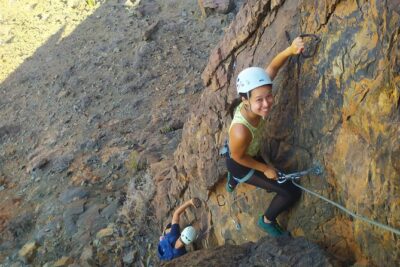
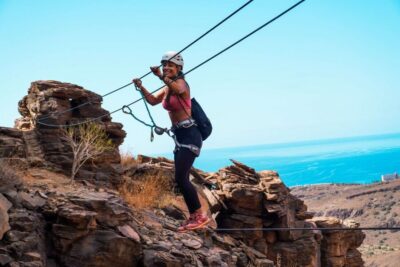
Via Ferrata in Gran Canaria. Vertical adventure park. Small groups
Read our review →Lists this trip sits in